
I. Introduction
Canada has launched anti-dumping and countervailing investigations into certain truck and bus tires originating in or exported from China. For overseas buyers, importers and purchasers, China tire tariffs are an important consideration because the investigation may affect future import costs and sourcing arrangements. The CBSA initiated the investigations on August 31, 2026, under Canada’s Special Import Measures Act (SIMA).
Forlander is actively participating in the investigation by submitting production and sales data, cost information, related-company information and supporting documentation. The company is seeking an independent, lower applicable duty rate based on its own actual business circumstances.
II. Which Products Are Covered by the Investigation?
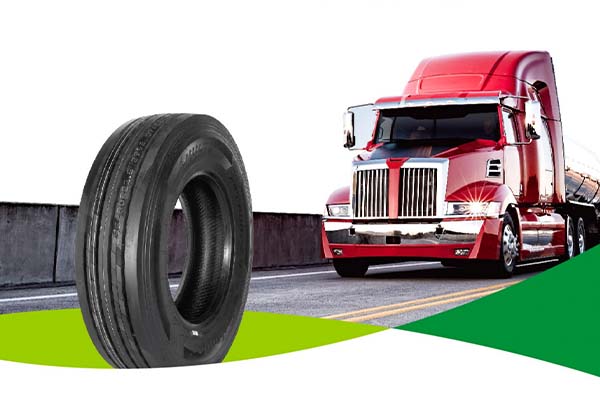
The investigation covers certain pneumatic rubber tires designed for trucks, buses, trailers and other medium and heavy vehicles. The product definition includes tires with nominal rim diameters of 17.5, 19.5, 22.5 and 24.5 inches, or their nominal metric equivalents. Both new and retreaded tires are included, as well as tube-type, tubeless, radial and non-radial tires.
The specific scope should be determined according to the CBSA’s official product definition rather than HS classification numbers alone. The CBSA notes that tariff classification numbers may include non-subject goods, while subject goods may also be imported under additional classifications.
For buyers sourcing truck tires Canada, confirming whether a specific product falls within the scope should be an early step in procurement planning.

III. What Does the 29.1% Figure Mean?

The 29.1% figure is an estimated margin of dumping calculated by the CBSA at the investigation stage. It is not a final anti-dumping duty rate or a uniform tariff for all Chinese truck tire manufacturers.
The CBSA calculated the margin using data from April 1, 2025, to March 31, 2026, comparing estimated normal values and export prices for five benchmark products. The investigation is ongoing.
Therefore, buyers should not simply add 29.1% to every Chinese tire quotation. The final impact on import costs will depend on the investigation findings and applicable measures.
This distinction is important when assessing China tire tariffs and their effect on landed costs.
IV. Forlander Is Actively Participating in the Investigation
Forlander is actively responding to the investigation and preparing company-specific information for submission to the relevant authorities.
The main information includes:
- Production and sales data
- Cost and production information
- Related-company information
- Supporting documentation
By submitting actual company-level information, Forlander seeks to provide a clear and accurate picture of its production, sales, costs and corporate relationships for independent examination during the investigation process.
V. Forlander Seeks an Independent, Lower Applicable Duty Rate
Forlander’s objective is to seek an independent, lower applicable duty rate based on its own actual business circumstances.
This is why the company is providing production and sales information, cost data, related-company information and supporting documents rather than relying solely on general industry-level information.
The objective is to ensure that Forlander’s actual business circumstances and corporate structure are properly considered during the investigation. Any applicable rate remains subject to the CBSA’s investigation and final determinations.


VI. What Should Overseas Buyers Do Now?
1. Confirm product coverage.
Review the CBSA product definition and confirm whether the tire size, application and product type are covered.
2. Confirm supplier participation.
Ask suppliers whether they are participating in the investigation and submitting their own production, sales, cost and related-company information.
3. Do not treat 29.1% as the final tariff.
The estimated dumping margin should not be used as a final duty rate when calculating future import costs. This is important for companies reviewing tire in canada sourcing plans.
4. Review sourcing and landed costs.
For long-term procurement, confirm the actual manufacturer, production location, product scope and supplier participation. Buyers should also monitor Canadian Tire Policy developments and adjust sourcing plans as the investigation progresses.
For buyers working with or considering Forlander, the company will continue participating in the investigation, submitting company-specific information and seeking an independent, lower applicable duty rate.
VII. Conclusion
Canada’s investigation into certain Chinese truck and bus tires is ongoing. The 29.1% figure is an estimated dumping margin, not a final uniform duty rate for Chinese manufacturers. Buyers should confirm product coverage, understand supplier participation and monitor possible changes in import costs.
As the tyre anti dumping investigation develops, buyers should follow official CBSA and CITT updates rather than treating the current estimate as a final measure.
Forlander is actively responding by submitting production and sales data, cost information, related-company materials and supporting documents. The company will continue cooperating with the investigation and seeking an independent, lower applicable duty rate.