
I. Introduction
Tires are the only contact point between a vehicle and the road, directly affecting driving stability, comfort, and safety. Among the many specifications available, 225 45R18 tires have become a popular choice for sport sedans and mid-to-high-end vehicles due to their broad compatibility with various models and balanced performance.
This specification balances handling and fuel efficiency while meeting the demands of both city driving and highway cruising. This article analyzes the technical parameters, vehicle fitment, performance characteristics, and purchasing recommendations for 225/45R18 tires to support informed replacement decisions.
II. Spec Decoding: What the Numbers Mean
The tire sidewall marking “225/45R18” contains the following technical information:
- 225 – Tire section width of 225 millimeters. For passenger cars, this width balances grip and fuel consumption.
- 45 – Aspect ratio, meaning the sidewall height is 45% of the tread width. A 45% aspect ratio indicates a relatively thin sidewall. This low-profile design improves handling response speed but reduces comfort.
- R – Radial construction. Compared to traditional bias-ply tires, radial tires offer better wear resistance and lower rolling resistance.
- 18 – Fits 18-inch wheels. This size sits between 16-17 inch and 20+ inch wheels, providing a compromise between visual appeal and practicality.

III. 225/45R18 Tire Size Compatibility: Which Vehicles Use This Specification?
225 45R18 tire size is widely used in the mid-to-high-end sedan market.
Original equipment (OE) fitments include: BMW X1, Kia K5, Honda Accord, Volkswagen CC, Audi A4L, Toyota Camry. These manufacturers selected this size based on the balance between handling and daily usability.
Aftermarket upgrades are also common. Many owners upgrading from 16 or 17-inch wheels to 18-inch wheels choose this specification. Compatible Chinese models include Lynk & Co 03, MG 6, Geely Emgrand GS, and Geely Xingrui. Mid-sized sedans priced around 200,000 RMB with a sporty orientation most commonly use this 225 45R18 tire size.
For vehicles primarily driven in temperate climates year-round, 225 45R18 all season tires offer a convenient single-set solution. Drivers in regions with heavy snowfall should consider dedicated winter rubber.

IV. Performance Characteristics: Measured Data Across Key Metrics
1. Grip and handling
The 225mm section width provides a larger contact patch than economy tires (195-205mm), helping to reduce side slip. The low aspect ratio delivers more direct steering response.
2. Wear resistance and wet braking
Through rubber compound adjustments (increased silica and carbon black content), tread hardness increases by approximately 10-15%, extending tire life by about 20%. For water evacuation, longitudinal grooves and lateral sipes form a three-dimensional drainage network. Using the Hankook Ventus S1 evo3 as an example, its wet braking distance from 80km/h is 24.8 meters (tested data).
3. Run-flat technology
Some models feature reinforced sidewalls, allowing continued driving at 80km/h for approximately 80 kilometers after a puncture.
If you frequently encounter snow and ice during winter months, 225 45R18 winter tires are strongly recommended. The standard all-season or summer versions of this size offer limited grip on frozen or snow-covered roads.


V. Pros and Cons Analysis
1. Advantages:
High handling precision with direct steering response
Good body roll suppression during high-speed cornering
Wide product selection across multiple brands and price points
2. Disadvantages:
Limited sidewall deformation space provides weaker bump absorption than 55 or 60 series aspect ratios
More noticeable in-cabin vibration when crossing speed bumps or uneven roads
Higher risk of sidewall damage from curbs and potholes
Limited performance on snow and ice
VII. Recommended Forlander Tires for 225/45R18
1. Forlander ultra high performance 225 45R18 all season tires

LANDWAY 03 UHP all season PCR tire offer strong cornering grip, even tread wear, high-speed stability, excellent wet drainage, and reduced noise for a comfortable ride.
LOAD INDEX: 95W
2. Forlander high performance 225 45R18 tires
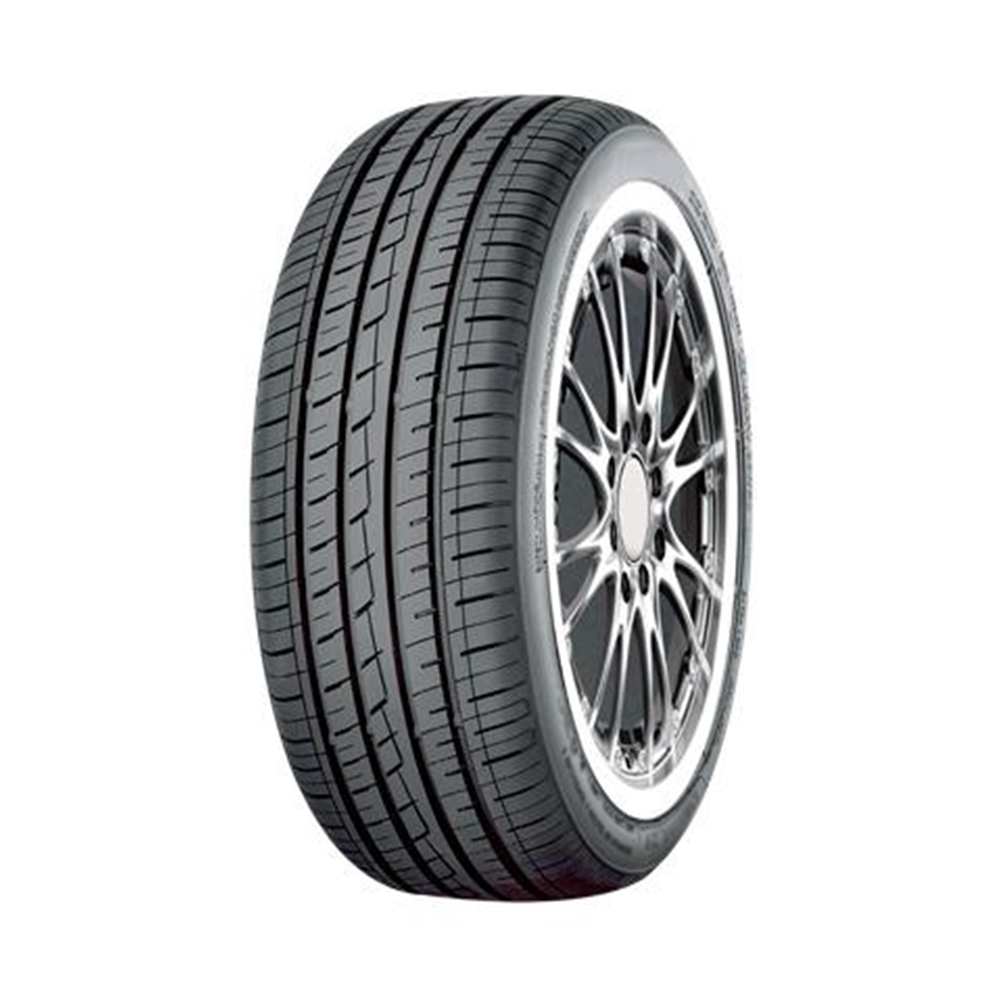
ECOLAND 05 high performance tire offer enhanced grip, rainy-day safety, fuel efficiency, straight-line stability, and quieter comfort through 3D cornering design, knife groove patterns, optimized tread blocks, and semi-closed shoulders.
LI/SS: 95V XL
3. Forlander 225 45R18 winter tires

Bluesnow 02 features high-density sawtooth lateral grooves for excellent snow and ice grip, wider inner shoulder tread for better snow traction, and hundreds of tiny grooves to absorb water and prevent aquaplaning.
LOAD INDEX: 95S XL
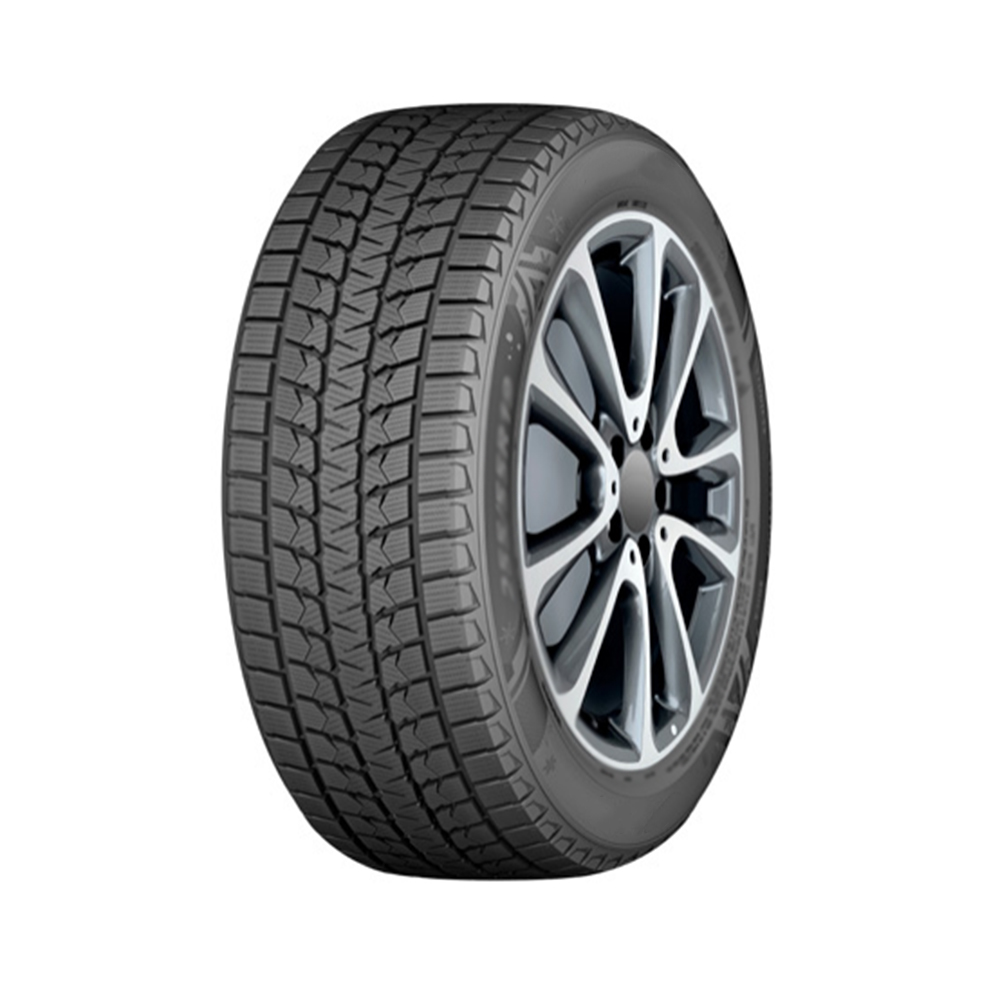
Bluesnow 06 delivers maximum wet and snow/ice grip, balanced handling, enhanced steering performance, and improved traction and braking through single directional tread, staggered grooves, step design, and 3D zigzag steel sheets.
LOAD INDEX: 95S XL
VI. Maintenance Tips: Extending Tire Life Starts With Details
For low-profile 225/45R18 tires (and any pcr tire – passenger car tire), follow these maintenance practices:
1. Tire rotation
Rotate all four tires every 10,000 kilometers (either cross-rotation or front-to-back, following your vehicle manual). This ensures even wear between front and rear axles, prevents excessive wear on drive wheels, and extends the service life of the entire set.
2. Tire pressure checks
Check pressure regularly. Standard values are typically listed on the driver’s door jamb, fuel filler flap, or owner’s manual. 225 45R18 tires are more sensitive to pressure deviations due to their thinner sidewalls.
Under-inflation increases rolling resistance, accelerates shoulder wear, and raises blowout risk
Over-inflation reduces contact area, decreases grip, and causes excessive center tread wear
Check cold tire pressure once monthly
3. Tread depth limit
When tread depth falls below 1.6mm, replacement is mandatory. At this depth, water evacuation is insufficient, and wet braking distances increase significantly.
4. Daily use precautions
Low-profile tires should avoid high-speed impacts into potholes or direct curb contact. If sidewall bulges, cracks, or broken cord plies are found, replace immediately without further driving.
VIII. Summary
225/45R18 tires prioritize handling over comfort. They offer direct steering and reliable wet braking, but weaker bump absorption and higher sidewall damage risk. Choose this size for smooth roads and sporty driving; avoid it for rough roads or heavy snow without winter tires. Rotate every 10,000 km, check pressure monthly, replace at 1.6mm tread depth. For year-round use, 225/45R18 all season tires work in mild climates; for harsh winters, get 225/45R18 winter tires. Every passenger car tire in this size requires proper maintenance for safety and longevity.
FAQ
Q1: Can 225/45R18 tires be installed on a car with 16-inch wheels?
No. This tire size requires 18-inch wheels. You will need to upgrade your wheels first.
Q2: What is the difference between 225/45R18 all season tires and winter tires?
All season tires are for mild climates with light snow. Winter tires use special rubber compounds for better grip on ice and heavy snow. Switch to winter tires if you face frequent snowfall.
Q3: What is the correct tire pressure for 225/45R18 tires?
Typically 2.4-2.6 bar when cold. Check the label on your driver’s door jamb or fuel filler flap for the exact value.
Q4: Are low-profile tires prone to bulges?
Yes. The 45 aspect ratio means thinner sidewalls. Hitting potholes or curbs at speed can damage the sidewall and cause bulges. Drive carefully on rough roads.
Q5: How often should I rotate 225/45R18 tires?
Every 10,000 kilometers. Rotation ensures even wear and extends tire life.
Q6: When should I replace my tires?
When tread depth falls below 1.6mm. At this point, wet braking performance decreases significantly.
Q7: Can I use 225/45R18 tires on an SUV?
Some compact SUVs like the BMW X1 use this size. For larger SUVs, check your vehicle manual and door jamb label first.