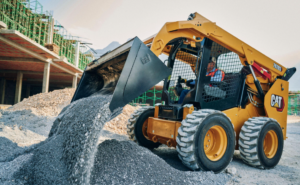

For skid steer equipment, tyres constitute a critical variable that directly influences daily output. Wheel spin on gravel piles, tread wear on hard surfaces, and sidewall cuts from sharp stone—these seemingly isolated failures accumulate into rising downtime and replacement expenditure.
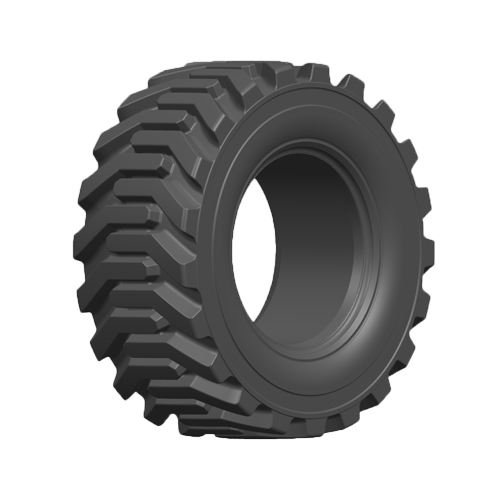
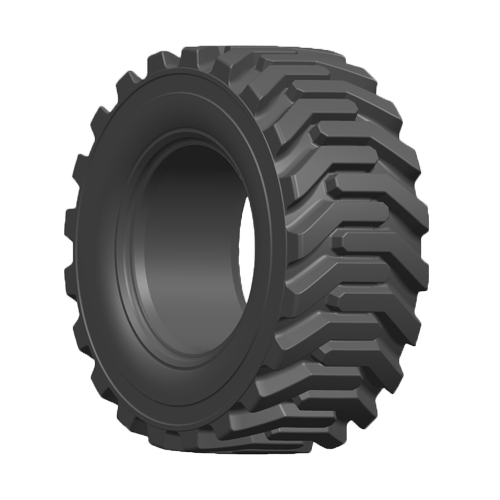
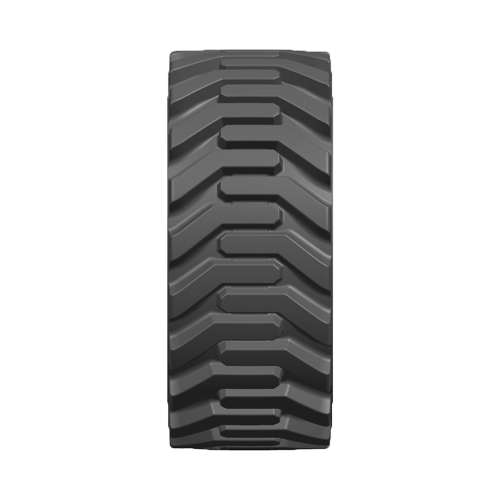
The Forlander SUPER G2/L2 12-16.5 tyre is engineered to address precisely these recurring issues: a wider contact patch, deeper tread, and a reinforced sidewall transform the tyre from a consumable item into a measurable investment.

I. Why the 12-16.5 Tyre Delivers a Wider Contact Patch for Enhanced Operational Stability
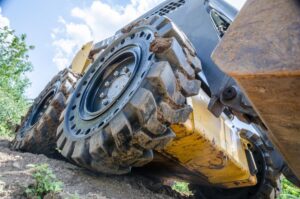
At the 12-16.5 size, the SUPER G2/L2 achieves a section width of 310mm—relatively wide for its class. Among 12 16.5 skid steer tires, this translates into a larger rubber contact area, and for a skid steer loader tire specifically, the benefit is a more stable machine across varied ground conditions.
When operating on soft earth, muddy ground, or gravel piles, contact area directly affects flotation performance: reduced tyre sinkage and improved machine stability, particularly under full-load lifting and frequent steering conditions. For precision grading or landscaping applications, more uniform ground pressure also helps minimise damage to finished surfaces.
II. Combined Wear Resistance and Impact Protection
A skid steer’s working day typically involves mixed tasks: sweeping or hauling on hard pavement in the morning, loading from gravel piles in the afternoon. This imposes contradictory requirements on the tyre compound—it must resist wear while retaining sufficient flexibility to resist cutting.
Through a new-generation compound and deepened tread, the SUPER G2/L2 extends service life by 30% over the previous generation. For fleet operators and rental companies, this figure corresponds directly to fewer replacements and reduced downtime losses.
Concurrently, a high lug-ratio design and a Void Guard layer beneath the tread raise impact resistance by 10%. Gravel punctures and hard-object impacts are the primary cause of premature failure in heavy duty skid steer tires, and this improvement targets the most frequent failure mode.

III. Sidewalls and Rims: Eliminating the Blind Spot
The skid steer’s compact turning radius and sharp steering subject the sidewall to far greater friction and compression than ordinary construction machinery. Stones lodging between the sidewall and rim, causing rim deformation or cracking, represent a common source of repair expenditure.
The SUPER G2/L2 incorporates a thickened rim guard on the sidewall, resisting external scuffing and punctures while preventing stones from entering the rim interface. This design reduces not only tyre damage itself but also the associated rim repair costs.
IV. A Straightforward Cost Calculation
A 12-16.5 16PR SUPER G2/L2 carries a maximum load of 3075kg, sufficient to cover the heavy-load conditions of mainstream skid steers.
When tread depth increases from conventional levels to 30mm, when expected service life rises by 30%, and when sidewall damage and rim failures are reduced, the purchase price of a single 12-16.5 tyre is amortised across its service cycle more rapidly than might be expected.
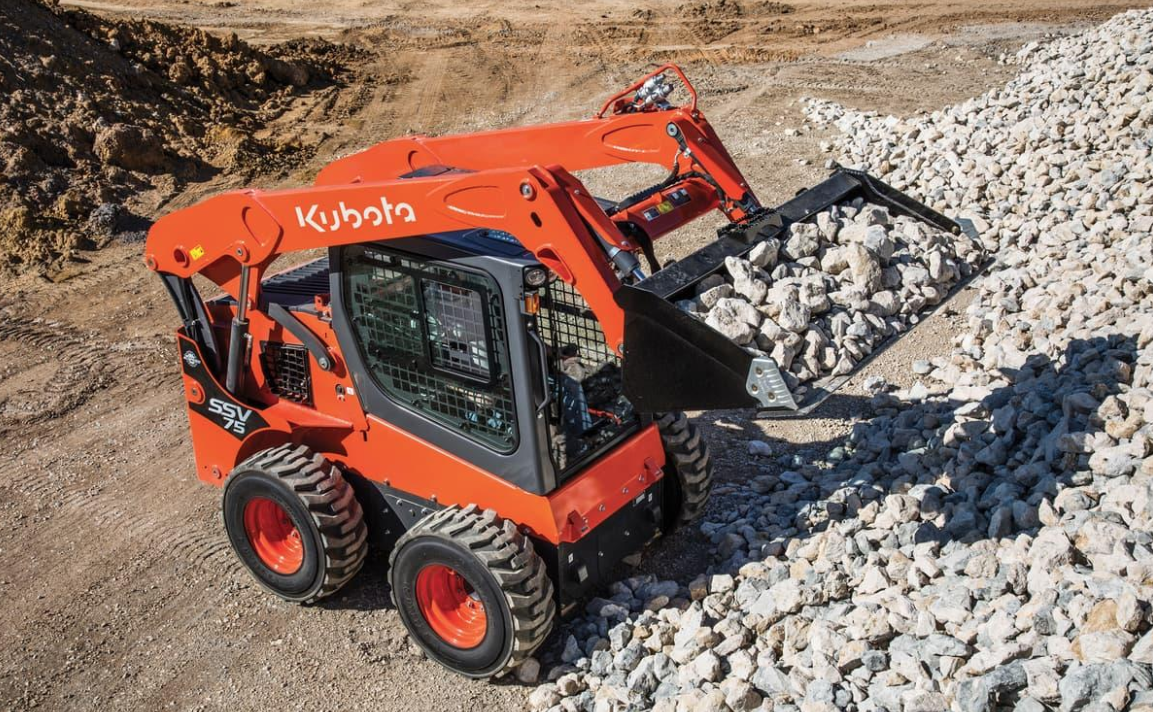
For fleet managers, the relevant metric is never the sticker price but the tyre cost per working hour—and the schedule lost to tyre-related failures.
Should your skid steer be experiencing frequent tyre replacements, repeated puncture repairs, or should you simply wish to select a G2 L2 tyre that requires less constant attention at your next procurement, the Forlander SUPER G2/L2 12-16.5 merits inclusion in your comparison list.