
I. Introduction
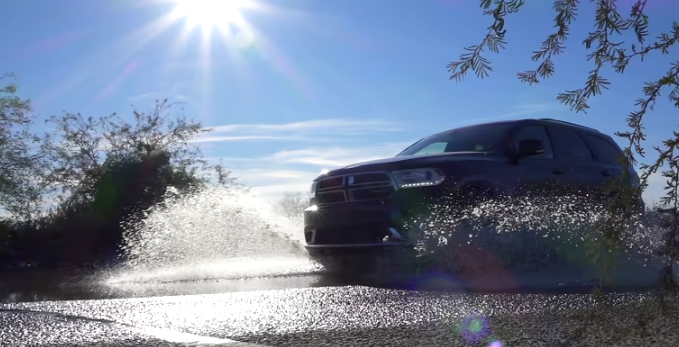
Tires represent the sole interface between a vehicle and the road surface, with their performance directly influencing driving safety, comfort, and fuel efficiency. For every driver, comprehending how to pick the right tires is fundamental to achieving optimal vehicle performance. As motoring requirements evolve, expectations for tires have intensified—motorists demand superior grip, reduced noise, enhanced comfort, alongside effective heat dissipation and water displacement to improve handling dynamics.
Consequently, tire engineering and production must accommodate diverse driving environments, encompassing dry, wet, gravel, and muddy conditions, while simultaneously addressing seasonal climate variations to minimize the need for frequent tire changes. Before examining specific tire categories, it is essential to first analyze fundamental tread pattern designs.
II. Basic Tire Tread Patterns
1. Longitudinal (Rib) Tread Pattern
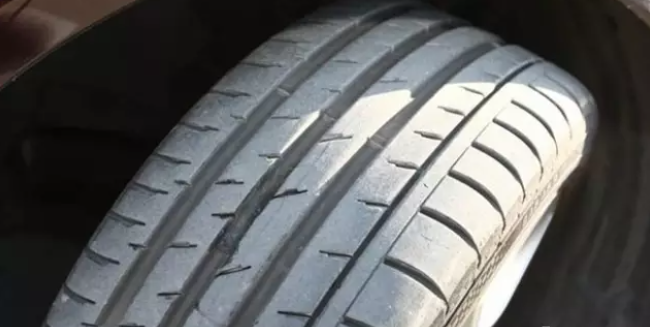
Longitudinal grooves are engineered primarily for water evacuation, a critical function for wet and slippery road surfaces. These channels efficiently redirect water away from the contact patch, mitigating hydroplaning risks during acceleration and braking maneuvers. However, their parallel orientation to the direction of travel reduces the tire’s surface contact area, potentially compromising overall traction when implemented excessively.
2. Transverse (Lateral) Tread Pattern

Transverse grooves deliver increased traction and improved road surface adhesion. Their high-speed water displacement capability, however, remains substantially inferior to longitudinal designs. Essentially, transverse pattern characteristics function as counterparts to longitudinal configurations.
3. Diagonal (Oblique) Tread Pattern
Most tires combine longitudinal, transverse, and diagonal grooves. Diagonal patterns help break and disperse the thin water film that forms on wet roads — a layer that can significantly reduce friction and cause heavy vehicles to lose traction.

Modern tire design integrates these elements: longitudinal grooves in the center for efficient water drainage, diagonal grooves for dispersing the water film, and transverse grooves on the shoulder for enhanced grip. This combination creates the commonly used mixed tread pattern, which is now widely applied to passenger cars, buses, and trucks, offering a well-balanced and reliable solution for everyday driving.
4. Asymmetric Tread Pattern

Asymmetric tires feature different tread designs on the inner and outer sides. The outer tread is specifically engineered to increase contact pressure during cornering, which is why asymmetric tires often deliver better handling performance in curves. In addition, considering daily driving conditions, the outer tread is also designed to offer improved wear resistance for longer durability.
5. Directional Tread Pattern
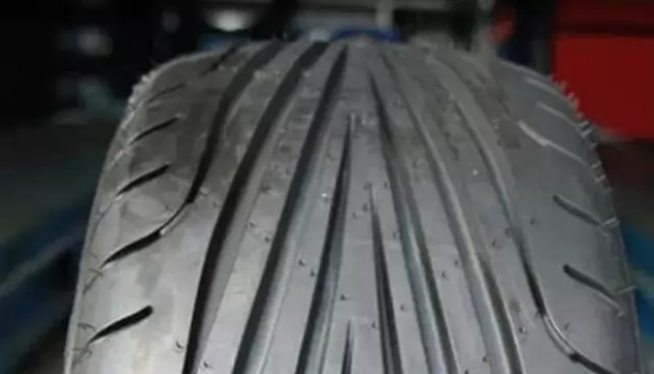
Directional tires provide strong on-road performance and excellent water drainage. They are designed to roll in only one fixed direction, which helps reduce rolling resistance and improve handling. Therefore, they cannot be rotated from left to right, only on the same side of the vehicle. A clear arrow on the sidewall indicates the correct rolling direction. These tires are especially suitable for vehicles that frequently drive in rainy conditions or at high speeds.
III. Block Tread Patterns: Understanding HT, AT, and MT Tires
1. What You Need to Know About How to Pick the Right Tires for Your Vehicle
Block-pattern tires are generally used on off-road vehicles and are mainly divided into three types according to different driving conditions: Highway Terrain (HT), All-Terrain (AT), and Mud Terrain (MT) tires. This category is commonly referred to as PCR tyre (Passenger Car Radial Tyre) in automotive terminology, especially when discussing SUV and off-road applications. Knowing the difference between what is an HT tire, what is an AT tire, and what is an MT tire is fundamental to making the correct choice for your specific needs. Modern PCR tyre technology has advanced significantly to meet diverse driving requirements.
2. Highway Terrain (HT) Tires: What is an HT Tire?
What is an HT tire? Highway Terrain (HT) tires are mainly designed for on-road driving, featuring relatively soft sidewalls and fine tread patterns for better comfort and stability. These tires represent the most common type of PCR tyre for everyday use.

Forlander‘s ECOLAND H/T is a typical example in the HT category, designed with a shallower tread pattern optimized for paved roads, focusing on comfort and low noise. Understanding what is an HT tire helps drivers identify its primary use case for highway and urban driving. This PCR tyre design offers low rolling resistance for improved fuel efficiency, providing a smooth, quiet, and economical driving experience.
3. All-Terrain (AT) Tires: What is an AT Tire?
What is an AT tire? All-Terrain (AT) tires are more versatile than Highway Terrain tires. Their tread pattern is more aggressive, with larger tread block spacing, which slightly reduces on-road performance and increases noise. However, AT tires offer better durability and stronger traction on unpaved roads, making them a balanced choice for both on-road and off-road driving. The PCR tyre construction in AT designs ensures robust performance for varied use.

Forlander‘s ECOLAND A/T features a deeper tread pattern than HT tires, with a block design that enhances grip across various road conditions. It combines highway comfort with off-road capability, offering excellent traction and wear resistance for diverse terrains.
4. Mud Terrain (MT) Tires: What is an MT Tire?
What is an MT tire? Mud Terrain (MT) tires are designed for the most challenging conditions. MT tires have stiffer sidewalls, more aggressive tread blocks, and significantly larger voids between them. This design helps the tire expel mud at low speeds and fling it out at higher speeds, providing better traction on rough terrains such as rocky and uneven surfaces. However, MT tires generate much higher noise on paved roads, and drivers may feel noticeable vibration at low speeds. They can also be less stable on wet paved roads. For severe off-road use, this type of PCR tyre offers maximum capability.
Forlander’s ECOLAND M/T features the deepest tread pattern with a highly pronounced block design, specifically engineered for challenging terrains such as mud and rocks.

Forlander‘s ECOLAND M/T features the deepest tread pattern with a highly pronounced block design, specifically engineered for challenging terrains such as mud and rocks.
IV. Practical Guide: How to Pick the Right Tires
When considering how to pick the right tires, evaluate your typical driving conditions:

- For predominantly paved road use: HT tires provide optimal comfort, noise reduction, and fuel efficiency
For mixed paved and unpaved surfaces: AT tires offer necessary versatility and durability
For dedicated off-road or extreme terrain: MT tires deliver required traction and resiliencez
V. Conclusion
Selecting the appropriate tire type requires careful consideration of your primary driving environment and vehicle requirements. Understanding the differences between HT, AT, and MT tires, as well as the various tread patterns available, will help you make an informed decision that balances performance, safety, and cost-effectiveness. Regular tire maintenance, proper inflation, and periodic inspections remain essential for maximizing tire life and maintaining optimal performance. Whether you choose HT, AT, or MT tires, ensure they match your specific driving needs and vehicle specifications for the best possible driving experience and safety on the road.