
I. Introduction
Tires are the only point of contact between a vehicle and the ground, making their performance critical to handling, safety, and stability. The most important design element is the tread pattern. While tread patterns for light truck radial tires vary widely, their core functions remain consistent. Understanding transverse and longitudinal tread characteristics, and matching them to axle positions, enhances stability, reduces rolling resistance, and extends tire life. This article explains how to select the best light truck tires for your operational needs.
II. Different Positions Require Different Tread Designs
Each wheel position on a vehicle has different functional requirements for its tires, which is why modern tire designs are typically optimized for specific applications.
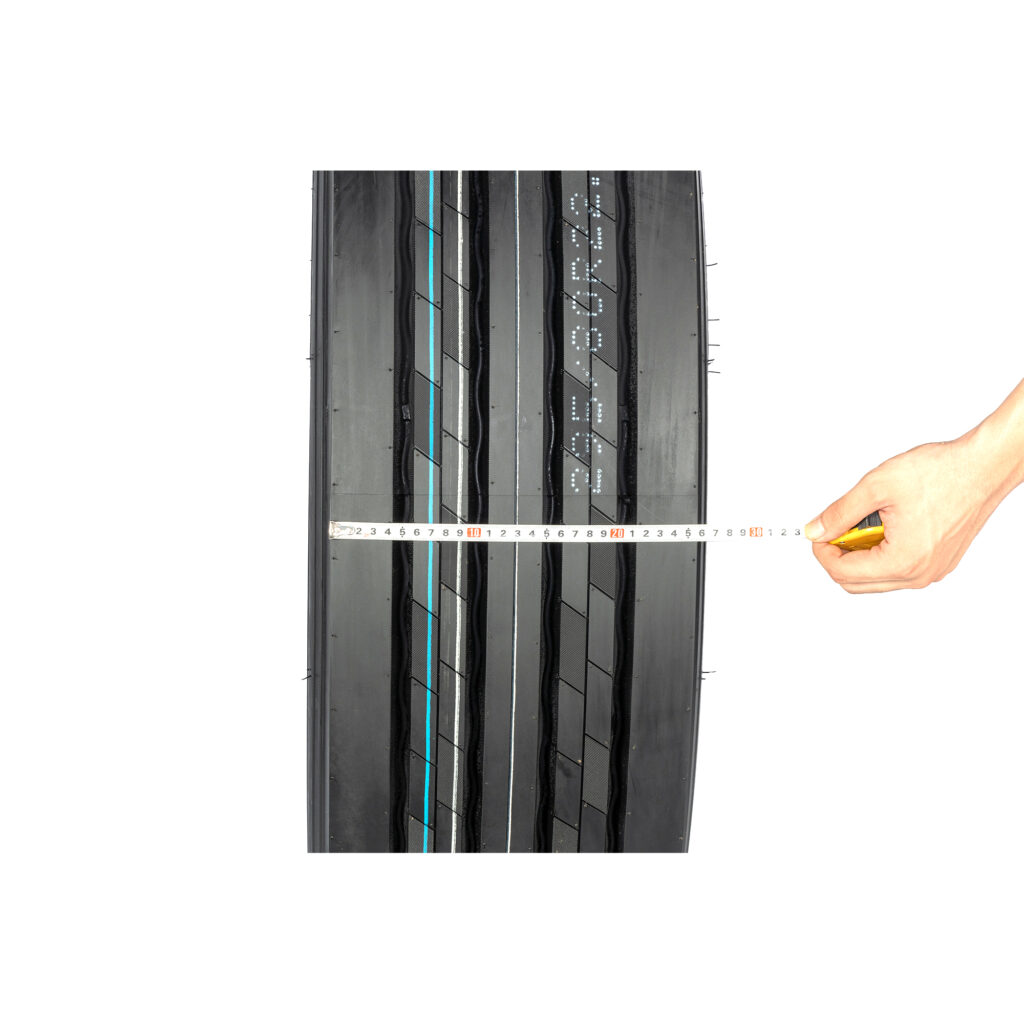
A. Steering Axle Tires
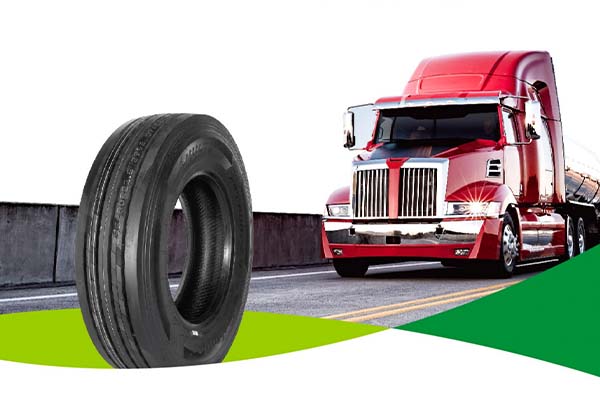
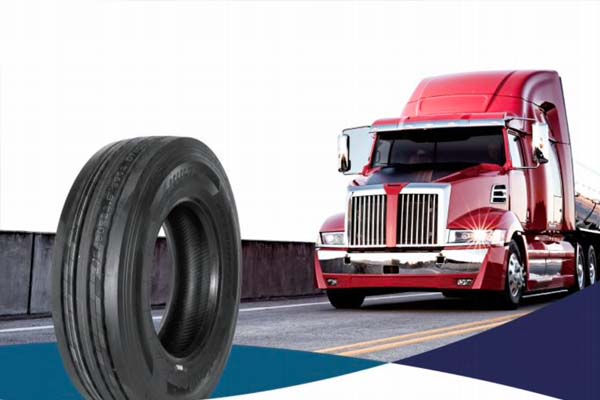
Dedicated steering tires usually feature a tread pattern with four longitudinal ribs. These straight lines help reduce rolling resistance while enhancing steering response and anti-skid capabilities. The shoulder area is specially treated to handle the friction stress on the outer side of the tire during cornering. When selecting commercial light truck tires for the steering axle, prioritizing longitudinal rib patterns ensures optimal directional stability and fuel economy.
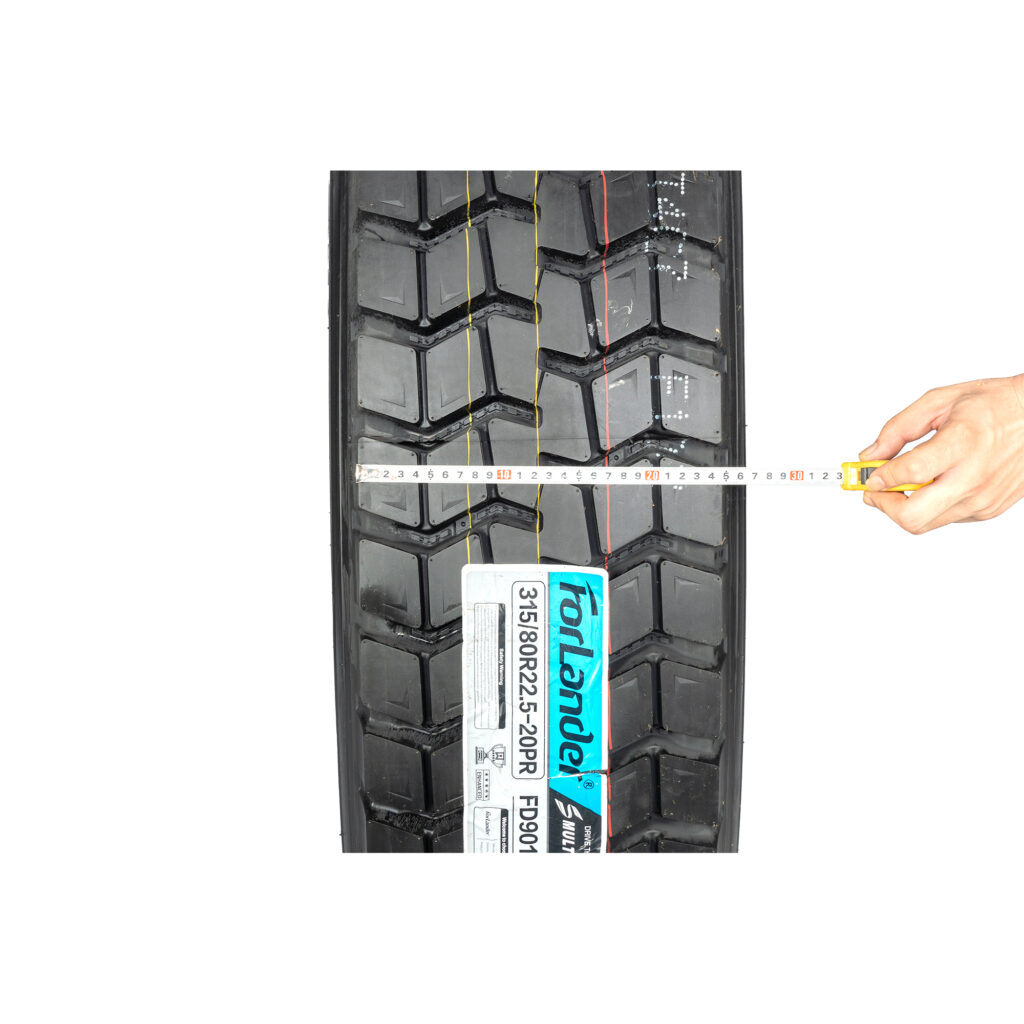
B. Drive Axle Tires
Specialized drive tires employ a typical mixed tread pattern, usually consisting of four or five longitudinal ribs combined with dense transverse grooves to form a block structure. This block pattern increases traction, with the tread contacting the road surface at an angle to provide excellent anti-slip performance, strong load-bearing capacity, and longer service life. It is important to note that drive tires generally fall into two categories: directional and symmetrical patterns. For directional tires, careful attention must be paid to the rolling direction during installation to avoid incorrect mounting.
C. Trailer Axle Tires
Specialized trailer tires typically feature a tread pattern with four longitudinal ribs. Both tread shoulders are enlarged to enhance resistance to lateral abrasion and side scraping. These tires usually adopt a reinforced steel belt structure, providing better puncture resistance, squeeze resistance, and impact resistance. It is worth noting that these tires are designed specifically for trailer positions and are generally not suitable for other wheel positions on the vehicle.
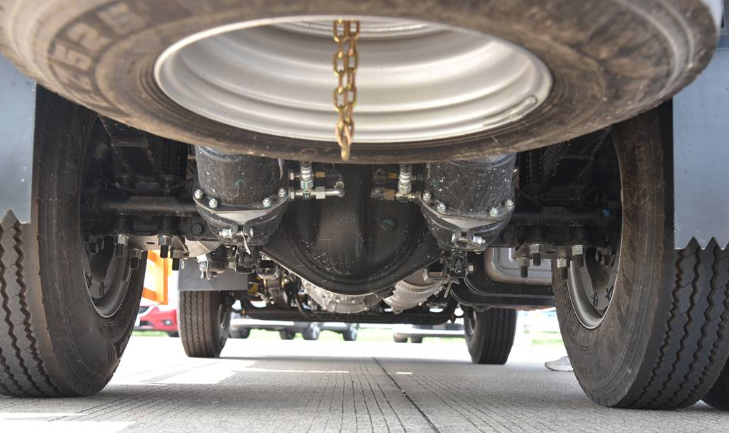
III. Light Truck Tread Pattern Types Explained
Understanding the advantages and disadvantages of different tread pattern types is fundamental to making the right choice.
A. Rib Pattern
• Advantages: Provides strong lateral resistance for excellent steering performance and safety. Generates minimal vibration, ensuring better driving comfort.
• Disadvantages: Relatively weaker braking and traction performance; grooves are more prone to fatigue.
• Application: Mainly used for steering axle positions on trucks and for vehicles operating on well-paved roads.
B. Lug Pattern
• Advantages: Excellent traction and braking performance, suitable for rough or poor road conditions.
• Disadvantages: Relatively higher rolling resistance (lower fuel efficiency) and comparatively weaker resistance to lateral skidding.
• Application: Mainly used for drive or braking axle positions on trucks and for vehicles operating on poor road conditions.
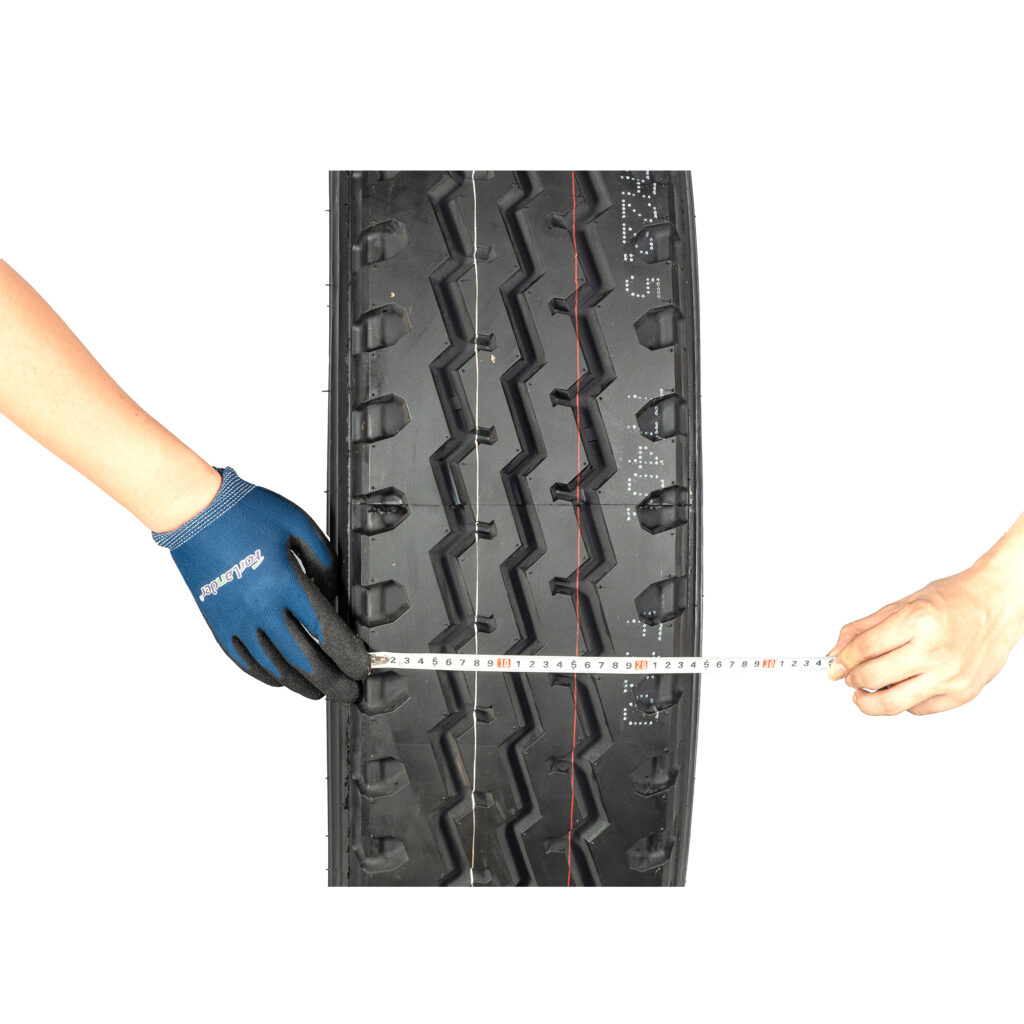
C. Rib-Lug Mixed Pattern
• Advantages: Combines benefits of both rib and lug patterns, ensuring good steering performance while improving braking capability. Adapts well to various road conditions.
• Disadvantages: Combination may lead to more severe wear at the ends of transverse grooves.
• Application: Mainly used for cargo trucks operating in mixed service conditions.
D. Block Pattern
• Advantages: Exceptional traction and braking performance, with outstanding capability on snow and muddy roads.
• Disadvantages: Wears faster and has higher rolling resistance compared to other pattern types.
• Application: Primarily used in extremely harsh transport conditions such as severe cold regions, desert areas, or off-road environments. For operators seeking the best light truck tires for demanding off-road applications, block patterns represent the optimal choice.
IV. How to Choose the Right Tread Pattern for Your Business
Selecting the correct tread pattern begins with a clear understanding of your primary driving conditions and transportation needs. Different road conditions demand different levels of traction, wear resistance, and rolling resistance.
A. If You Mainly Drive on Highways
In this scenario, the rib pattern is the optimal choice. The longitudinal ribs effectively reduce rolling resistance, improve fuel efficiency, and provide excellent directional stability. Low noise and a smooth ride make it ideal for long-distance highway transportation. For fleets relying on radial light truck tires for highway operations, rib patterns deliver the best balance of performance and economy.
B. If Your Route Includes Rural or Rough Roads
For mixed road conditions, the rib-lug mixed pattern is well-suited. This combination balances steering performance and drive traction, providing reliable safety and stability even on dirt, gravel, or uneven surfaces. It perfectly routes that include both urban and rural areas. Many commercial light truck tires designed for regional transport feature this versatile tread configuration.
C. If You Operate on Construction Sites, Mountain Roads, or Challenging Terrains
When facing harsh operating conditions, block patterns or lug patterns are the more appropriate choice. Block patterns offer traction and self-cleaning ability, making them highly suitable for snow, mud, and off-road environments, and they effectively handle heavy loads and complex terrain. Operators requiring rugged commercial lt tires for severe service applications will find block patterns indispensable.

Pro Tip: Proper front-to-rear tread matching is also crucial. The steering axle is best suited for rib patterns, the drive axle for mixed or block patterns, and the trailer axle for longitudinal rib patterns with reinforced shoulders. For light trucks, this combination ensures optimal stability, fuel efficiency, and overall performance across various road conditions.
V. Recommended Forlander Light Truck Radial Tire Series
The following tire series are available for reference, with designs that clearly correspond to the principles discussed above. All are examples of high-quality radial light truck tires suitable for various applications.
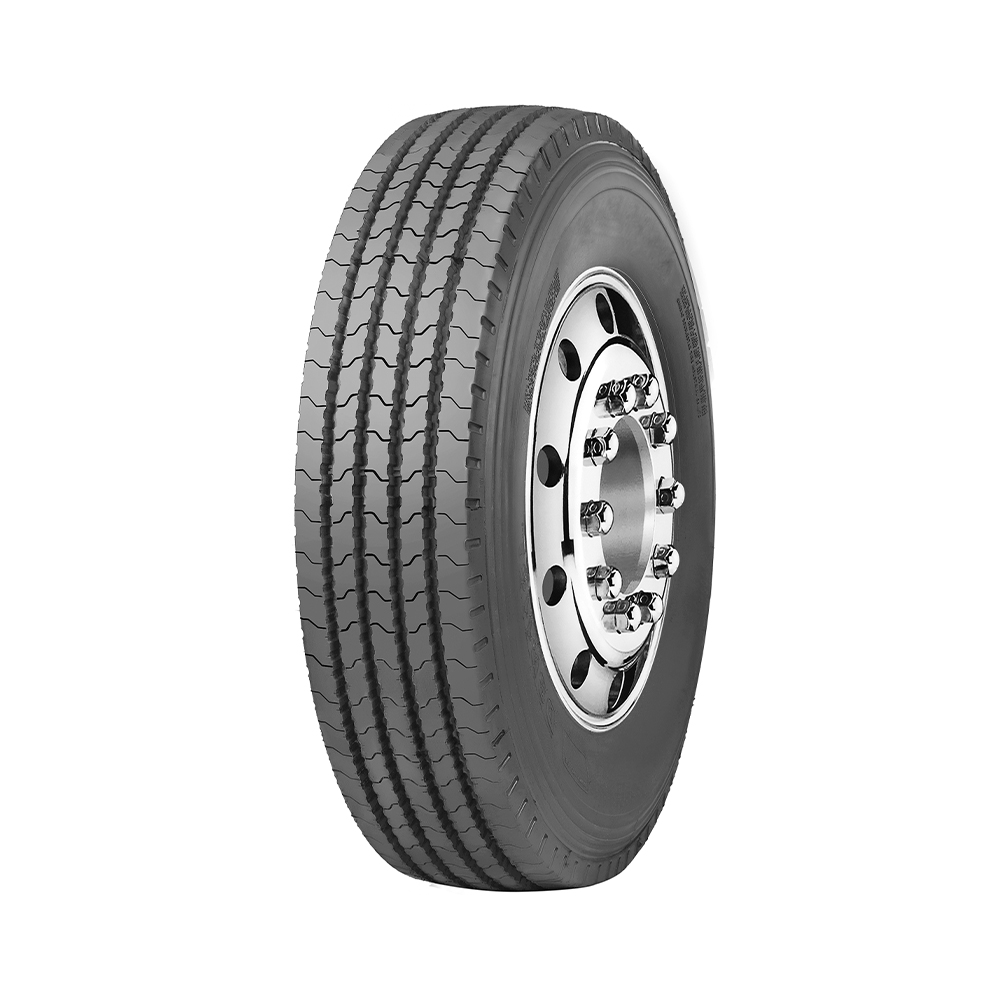
1. FR119
Category: TBR Tires, Steer, Trailer
Key Features: Durable Wear Resistance, Fuel Efficiency, Reliable Performance
Available Sizes: 285/70R19.5
Application: Long Haul
Load: Standard, Load Rate ≤130%
Series: S MULTI

2. FR967
Category: TBR Tires, All Position
Key Features: All Position Tires, All-Steel Tires, Good Wear Resistance and Driving Stability, Light Truck Tires, Long Haul Urban Light Duty
Available Sizes: 195/85R16LT, 205/85R16LT, 215/85R16LT
Application: Long Haul
Load: Standard, Load Rate ≤130%
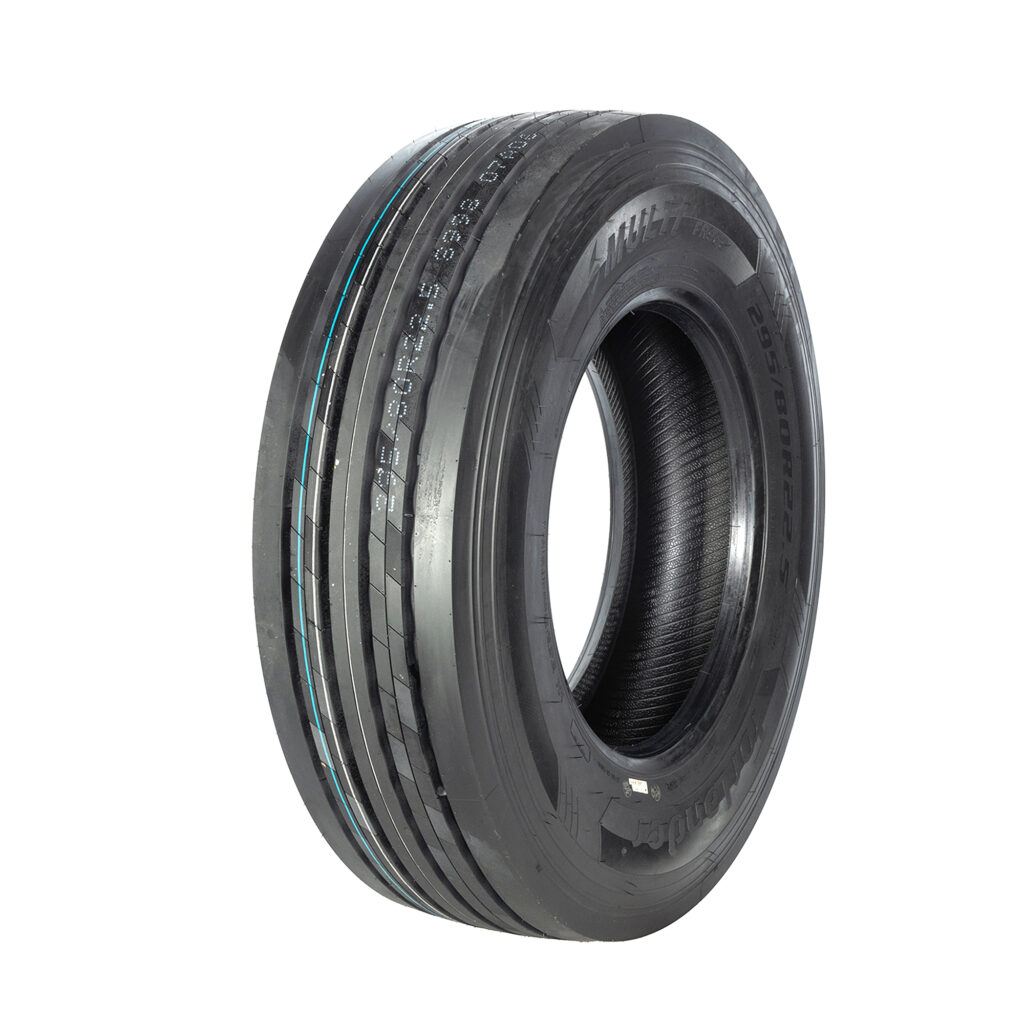
3. FR969
Category: TBR Tires, Steer
Key Features: Good Stability for Long Distance Driving, Long Haul
Available Sizes: 11.00R20, 11R22.5, 11R22.5**, 11R24.5, 12.00R20, 12R22.5, 13R22.5, 295/75R22.5, 295/80R22.5, 315/80R22.5, 385/65R22.5, 6.50R16, 7.00R16, 8.25R16
Application: Long Haul
Load: Over Load, Load Rate ≤150%
Series: S MULTI
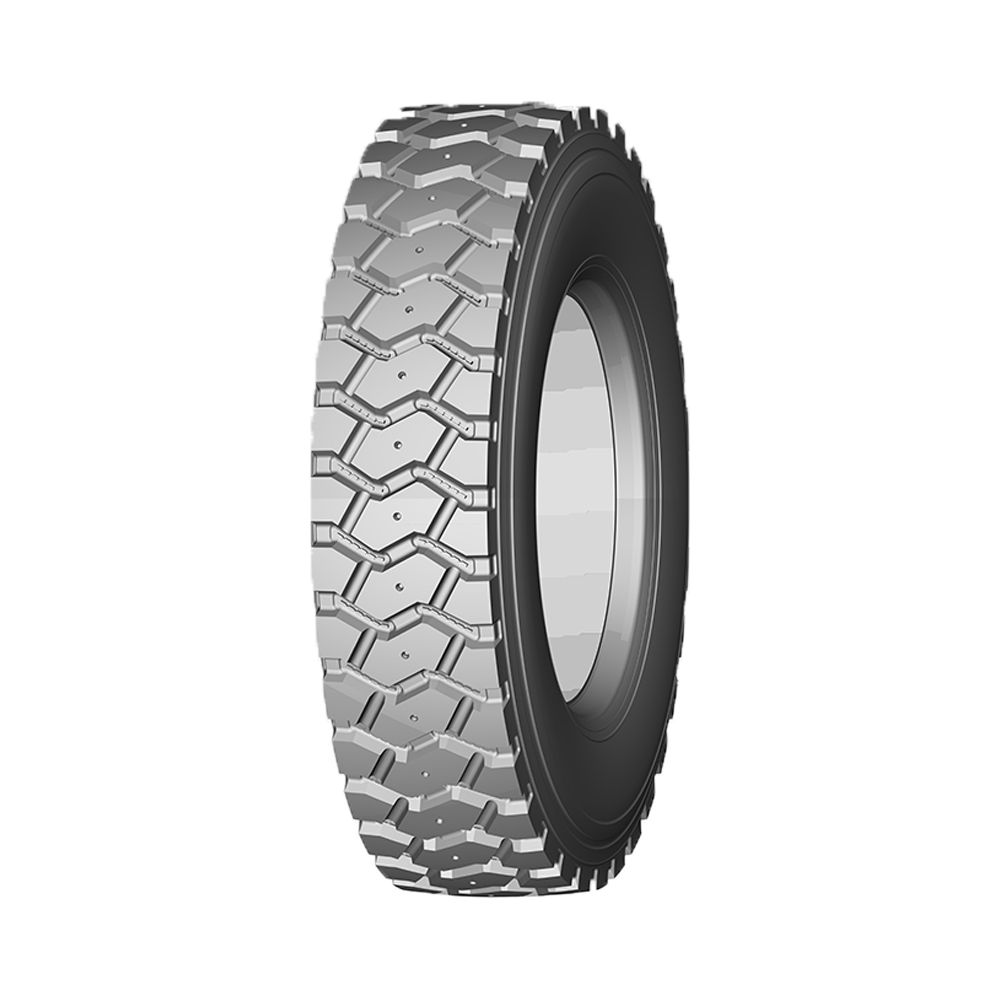
4. FD628
Category: Drive, TBR Tires
Key Features: Mixed Service
Available Sizes: 215/75R17.5, 225/80R17.5, 235/75R17.5
Application: ON & OFF
Load: Standard, Load Rate ≤130%

5. D886
Category: Drive, TBR Tires
Key Features: Good Wear Resistance, Mixed Service
Available Sizes: 10.00R20, 11.00R20, 12.00R20, 7.50R16, 8.25R16, 9.00R20
Application: Regional
Load: Standard, Load Rate ≤130%
VI. Conclusion
Choosing the right tread pattern for your light truck is key to achieving safer driving, improving fuel efficiency, and extending tire mileage. By selecting tires that match your vehicle’s load, route, and operating conditions, you can not only enhance performance and reliability but also increase overall profitability for your business. Whether you require commercial light truck tires for regional delivery or rugged commercial lt tires for off-road applications, the right tire choice truly makes every journey more efficient and secure. Investing in quality light truck radial tires ensures that your fleet operates at peak performance, delivering value mile after mile.
Forlander offers a comprehensive range of light truck tires, including both radial light truck tires and bias-ply light truck tires. With a rich variety of tread patterns and complete size availability, we have solutions for virtually every application and road condition. If you are currently sourcing light truck tires for your fleet or business, please contact us to download our catalog or request a quotation. Our team is ready to help you find the perfect tire match for your specific requirements.