
I. Introduction
In SUV tire replacement, vehicle owners frequently choose between HT (Highway Terrain) and AT (All Terrain) models. Some perceive AT as superior in off-road appearance; others worry about increased noise and fuel consumption.
HT and AT tires represent distinct design orientations for different usage scenarios, with no inherent performance hierarchy. Selection of a mismatched tire may sacrifice daily driving attributes for infrequently utilized off-road capability.

This article provides a systematic comparison of HT and AT tire characteristics, outlines key factors for selection based on actual driving conditions, addresses common misconceptions, and offers practical installation guidance. The objective is to assist SUV owners in making an informed tire choice that aligns with their specific usage patterns.
II. Model Definitions and Positioning Differences
HT and AT designations represent intended application, not performance grade.
HT tires are highway-oriented, designed primarily for paved roads. AT tires are all-terrain oriented, accommodating both paved and unpaved surfaces.
HT tires do not constitute low-tier products, nor do AT tires represent off-road upgrades. A quality HT tire emphasizes wet braking, steering stability, noise control, and wear resistance. A serviceable AT tire emphasizes traction on gravel, mud, and unpaved surfaces with damage resistance. Vehicles with suv at tires should align selection with actual off-road usage frequency.
SUV body style does not mandate AT tires. Most SUVs primarily operate in urban commuting with limited unpaved road exposure. Tire selection should follow actual road conditions, not vehicle appearance.
III. Functional Differences in Tread Pattern Design between HT and AT Tires
HT and AT tires exhibit structural differences in tread design.
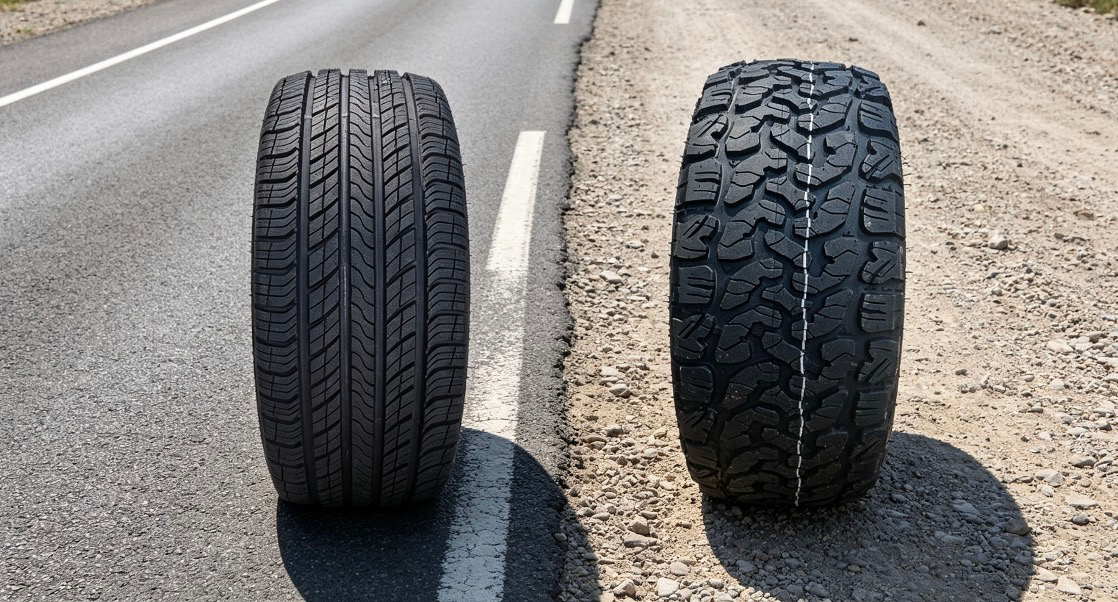
HT tires feature continuous, regularly arranged tread blocks with evenly distributed grooves and closed shoulder areas. This design facilitates stable road contact, drainage efficiency, steering response, and noise control.
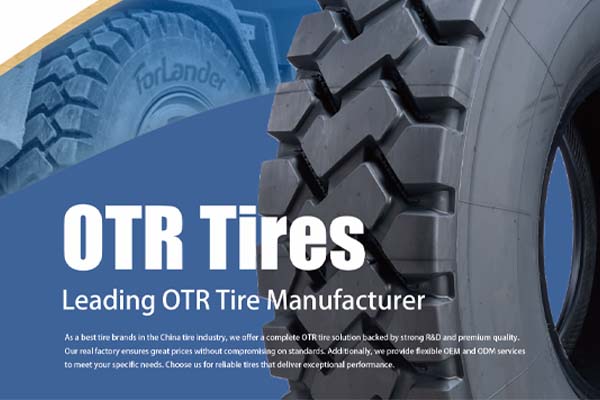
AT tires feature larger tread blocks, wider grooves, and open shoulders. Some products include reinforced sidewalls, stone ejectors, and cut resistance. These elements enhance tread edge grip on loose surfaces and reduce wear from stone entrapment.
Assessing tires solely by tread block size has limitations. Within each category, products vary in on-road versus off-road emphasis and in comfort, wear resistance, and wet performance. Final selection should rely on technical specifications and size availability.
IV. Performance Characteristics of HT Tires in Urban and Highway Scenarios
For vehicles primarily on paved surfaces, HT tires offer advantages in noise, wet performance, and energy consumption.
- First, road noise is controlled through regular tread patterns and closed shoulder designs.
- Second, steering and braking align with on-road requirements due to stable contact and design emphasis on dry and wet braking and straight-line stability.
- Third, energy consumption is more readily balanced. Less complex tread designs, lighter weight, and reduced rolling deformation typically lower rolling resistance. Actual consumption depends on vehicle, tire pressure, speed, and product specifications, but directional differences are notable.
For vehicles predominantly on paved surfaces with occasional compacted dirt roads, properly specified HT tires better serve daily needs than AT alternatives.
V. Performance Characteristics of AT Tires in Unpaved Road Scenarios
When gravel and dirt road operation is frequent, AT tire traction and damage resistance become relevant.
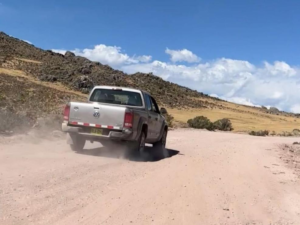
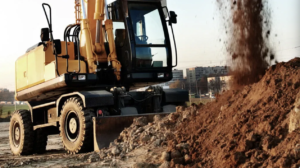
AT tires suit environments with frequent paved/unpaved transitions: construction sites, mining roads, rural routes, gravel mountain roads, or regular overlanding. For vehicles requiring 4×4 at tyres, traction on loose surfaces is a primary consideration.
On loose surfaces, tread edges penetrate gravel or soil. Wider grooves facilitate mud and debris evacuation. Reinforced tread and sidewalls improve adaptability to sharp stones, potholes, and impacts.
AT tires traction depends on drive configuration, ground clearance, surface conditions, and driving technique. For deep mud, cross-axle articulation, large rocks, or steep slopes, standard AT models may prove inadequate, requiring vehicle capability, recovery equipment, and specialized tires.
VI. Factors for Selection Decision-Making: AT Tyres vs HT Tyres
Understanding at tyres vs ht tyres is essential. Evaluate these factors rather than relying on appearance alone:
First, unpaved road frequency. Annual versus weekly operation differs fundamentally.
Second, unpaved road condition. Compacted roads differ from soft mud and sharp rock.
Third, on-road mileage proportion. High on-road mileage prioritizes noise, wet braking, comfort, and energy consumption.
Fourth, acceptance of trade-offs. AT tires improve off-road adaptability but may increase noise, alter steering, reduce comfort, add weight, and raise energy consumption. Extent depends on product specifications.

Simplified criterion: Primarily paved roads with occasional compacted dirt or gravel → HT tires or urban SUV tires. Frequent paved/unpaved transitions → AT tires. Sustained mud and complex off-road → MT and specialized options, with vehicle capability confirmation.
VII. Common Misconceptions Regarding AT Tires
Three common misconceptions exist:
- First, AT equals all-season. “All Terrain” refers to surface type; all-season refers to climate adaptation. Winter capability requires specific markings, not mere AT designation.
- Second, larger tread blocks suit all unpaved surfaces. Tread design is one component; rubber compound, carcass, sidewall, load capacity, pressure, and drive configuration all affect performance.
- Third, matching dimensions alone suffices for AT replacement. Weight, load index, speed rating, diameter, and clearance requirements may differ. Post-installation verification with wheels, suspension, brakes, and body is required.
VIII. Tire Selection and Installation Verification Items
Verify these items during installation:
Original size: consult owner’s manual and door jamb label, not just rim diameter.
Load index and speed rating: must meet or exceed vehicle requirements.
Consistency: avoid mixing tread patterns and wear levels across axles.
Tire pressure: follow manufacturer’s cold pressure recommendations. For AT tires, do not maintain reduced pressure on roads.
Post-installation monitoring: check for vibration, pull, noise, or body contact; inspect promptly.
Communicate clearly: provide vehicle model, year, specifications, driving proportions, and unpaved surface types.
IX. Product Recommendations and Reference
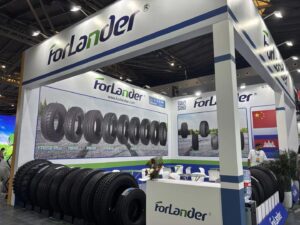
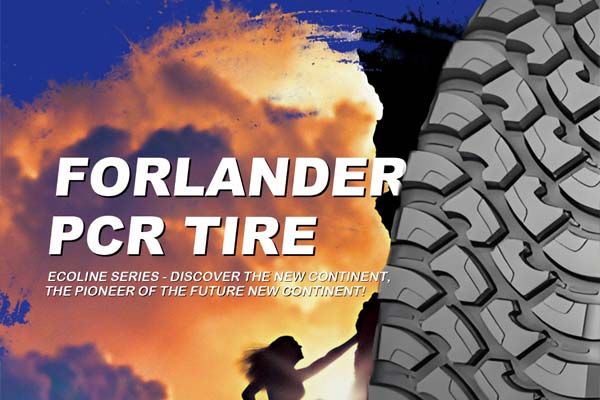
Based on selection principles for HT and AT tires, two Forlander products are referenced.
(A) ROADBREAKER A/T
Suitable for SUVs requiring frequent paved/unpaved transitions. For users seeking 4×4 at tyres, this model provides mixed-surface traction and durability. Features raised white lettering (RWL) on the sidewall for a distinctive off-road appearance.


Tread characteristics:
Block design enhances grip on gravel, dirt, and uneven surfaces;
Multi-groove and open shoulder design for water evacuation and reduced hydroplaning;
Reinforced structure resists cuts, chipping, and irregular wear.
Available sizes: 225/50R15, 235/60R14.
(B) ECOLAND H/T
Suitable for SUVs primarily on urban roads and highways. For drivers whose current tires are suv at tires, this HT model offers a quieter, more precise alternative when off-road usage is limited.


Tread characteristics:
Optimized pitch design reduces noise for a quieter ride;
High-density slots and reinforced center rib enhance braking, handling, and control stability;
High-density zigzag grooves improve wet surface traction by effectively dispersing water film.
Available sizes:
| Rim Diameter | Available Sizes |
|---|---|
| 16-inch | 235/60R16, 235/65R16, 215/70R16, 235/70R16 (100H & 106H), 245/70R16, 265/70R16 |
| 17-inch | 215/60R17, 215/65R17, 225/60R17, 225/65R17, 235/60R17, 235/65R17, 245/65R17, 245/70R17, 265/65R17 |
| 18-inch | 215/50R18, 225/50R18, 225/60R18, 235/60R18, 235/65R18, 245/60R18, 255/60R18, 265/60R18, 285/60R18, 265/70R18 |
| 19-inch | 225/45R19, 235/45R19, 235/50R19, 235/55R19, 235/60R19, 235/65R19, 245/50R19, 255/45R19, 255/60R19, 265/50R19, 265/55R19, 275/55R19 |
| 20-inch | 235/45R20, 235/50R20, 245/50R20, 255/45R20, 255/50R20, 255/55R20, 265/45R20, 265/55R20, 275/45R20, 275/50R20, 305/40R20 |
| 21-inch | 265/40R21, 265/45R21, 285/40R21, 295/35R21, 315/35R21 |
| 22-inch | 265/40R22, 275/40R22, 275/50R22, 295/40R22, 315/35R22 |
X. Conclusion
Selection between HT and AT tires should follow primary operating conditions. Understanding at tyres vs ht tyres clarifies distinct purposes. Urban commuters should not sacrifice daily comfort for infrequent off-road needs. When unpaved roads become regular, highway tires are inadequate. Users with SUV at tires should assess whether off-road frequency justifies trade-offs; those on paved surfaces may find HT tires more suitable.
For confirmation of SUV tire specifications or HT and AT tire selection, consult with vehicle model, year, specifications, and road condition information. For size changes, clearance issues, or complex off-road use, on-site professional inspection is recommended.