
I. Introduction
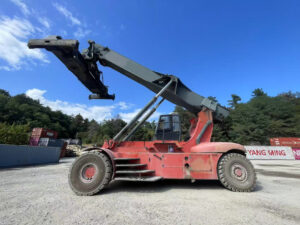
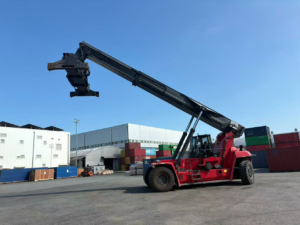
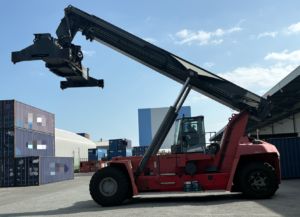
Port terminals run round-the-clock heavy-duty operations. Reach stackers, RTG cranes, container handlers, and terminal tractors face extreme loads, frequent spot turning, salt-air corrosion, sharp debris, and continuous low-speed cycling. Wrong heavy equipment tire selection causes tread chipping, sidewall rupture, unexpected downtime, and higher operating cost. This article shares practical selection standards, distributor advice, hot-selling Forlander port-specific tire lines, and a real-world port application case.
II. Core Selection Criteria for Port Operation Tires
1. Match Load Capacity and Ply Rating to Working Conditions
Port machinery bears heavy static and dynamic load. Always confirm axle load, maximum working load, and speed limit. Bias-ply tires dominate most container handling equipment for high sidewall stiffness and anti-fatigue performance. Higher PR (ply rating) delivers stronger load capacity for reach stackers and RTG cranes.

2. Tread Pattern & Compound: Resist Cut, Chip, and Heat
Port yards contain metal scraps and broken concrete. Prioritize cut-resistant and heat-resistant tread compound. Deep lug pattern suits heavy-load container stackers on wet concrete or brick paving. Block or wave pattern suits gantry cranes, balancing wear and heat dissipation. Optimized groove arc transition reduces crack risk under frequent torsion and spot turning.
3. Construction Choice: Bias, Radial, or Solid Tires
Bias-ply tires are mainstream for reach stackers, empty container handlers, and RTG gantry cranes, offering high stability, strong sidewall anti-torsion, and good salt-air aging resistance for 24/7 port cycles.
Radial tires fit terminal tractors with high daily mileage, with low rolling resistance and energy saving, but are less suitable for extreme static load and frequent spot turning.
Solid tires offer zero puncture risk for yards with massive sharp debris, though they transfer higher vibration, fitting SPMT and special material-handling machinery.

4. Environment Adaptability and Total-Cost Thinking
Coastal ports bring salt spray and UV exposure. Check anti-aging formula. Do not only compare unit price; calculate cost per working hour including service life, downtime loss, and retread possibility.
5. Rim Type Confirmation
Clarify tube-type (TT) or tubeless (TL) requirement to avoid installation mismatch for port fleets.
III. Practical Advice for Distributors
1. Dig into End-User Working Conditions Before Recommendation
Do not sell tires only by equipment model. Collect main machinery type, average load, pavement, daily working hours, spot-turning frequency, salt-spray environment, and major tire failures. Match pattern and specification accordingly instead of one-size-fits-all solutions. Knowing how to choose tire correctly for each application is the first step toward reducing total cost.
2. Educate Terminal Customers on Operation & Maintenance
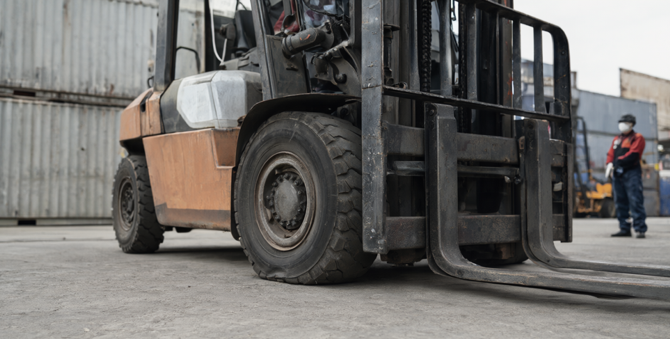
Port tire premature damage largely comes from improper inflation pressure, overloading, and violent spot turning. Distributors should advise regular pressure inspection, avoiding over-load, and limiting unnecessary stationary turning. Timely inspection of tread crack and sidewall injury extends service life greatly.
3. Build Tiered Product Portfolio for Different Budgets
A premium line serves large international terminals pursuing long service life and minimum downtime. A cost-effective heavy-duty line serves medium yards and regional operators. Solid tire options serve high-debris zones and modular trailer fleets.
4. Attach Importance to After-Sales Support and On-Site Tracking
Port customers value minimal downtime. Distributors need to keep core port tire sizes in local stock, collect field feedback, and feed real-site performance back to the supplier for continuous product optimization.
IV. Forlander Hot-Selling Port-Oriented Tires
1. JU910 / JU910C Series|IND-4 / E-4 Bias-Ply

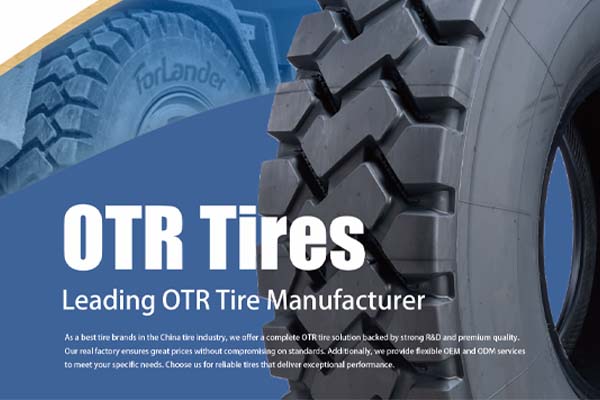
Feature: Ultra-deep lugged tread with 52–70 mm tread depth, reinforced sidewall, and special cut-and-heat-resistant compound. Anti-chipping and anti-tearing under extreme heavy load, with good wet traction.
Sizes: 12.00-20 28PR, 12.00-24 28PR, 14.00-24 28PR (TT / TL), 18.00-25 44PR (TT & TL).
Application: Suitable for reach stacker, loaded container handler, empty container handler, and RTG tire applications.
2. E-3 / L-3 Port Bias Tire
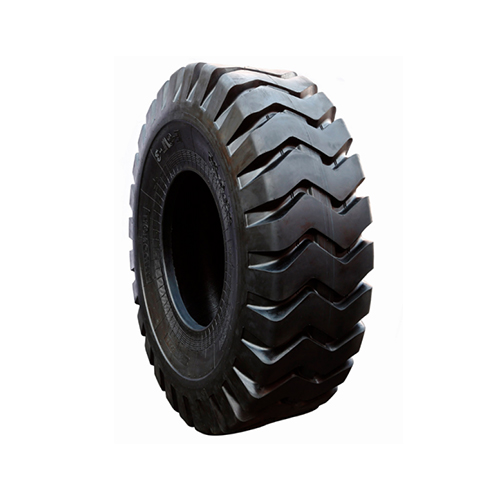
Feature: Wave-type block tread with 43–44 mm tread depth. Optimized groove arc transition reduces groove-base cracking, balancing wear and heat dissipation under long static heavy load with stable footprint pressure.
Sizes: 21.00-25 44PR and other mainstream port specifications.
Application: Suitable for RTG tire systems and heavy container handling equipment.
3. F819 Polyurethane Solid Tire for SPMT
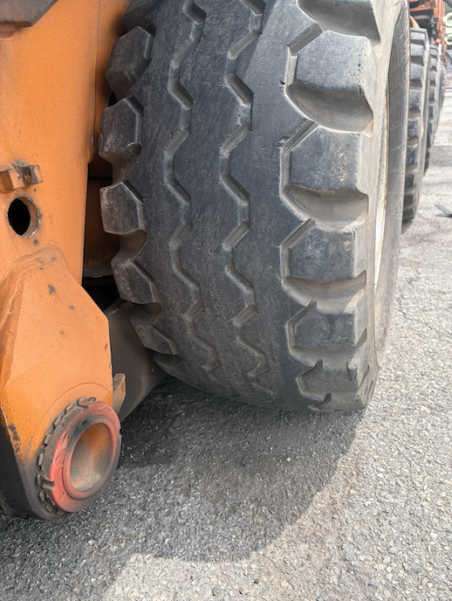
Feature: Solid polyurethane construction, fully puncture-proof, with excellent load capacity for surfaces scattered with metal fragments and sharp scraps.
Sizes: 355/65-15 and other SPMT dedicated sizes.
Application: Suitable for self-propelled modular trailer (SPMT) and heavy-duty material-handling trailers inside port terminals.
V. Real-World Port Application Case
A large container terminal in Singapore operates reach stackers under non-stop 24-hour cycle. Before switching to Forlander, original tires only achieved 8–10 months of service life. Sidewall tearing and tread chunking occurred frequently, causing 5–6 tire-related equipment breakdowns per month and disturbing container turnover efficiency.
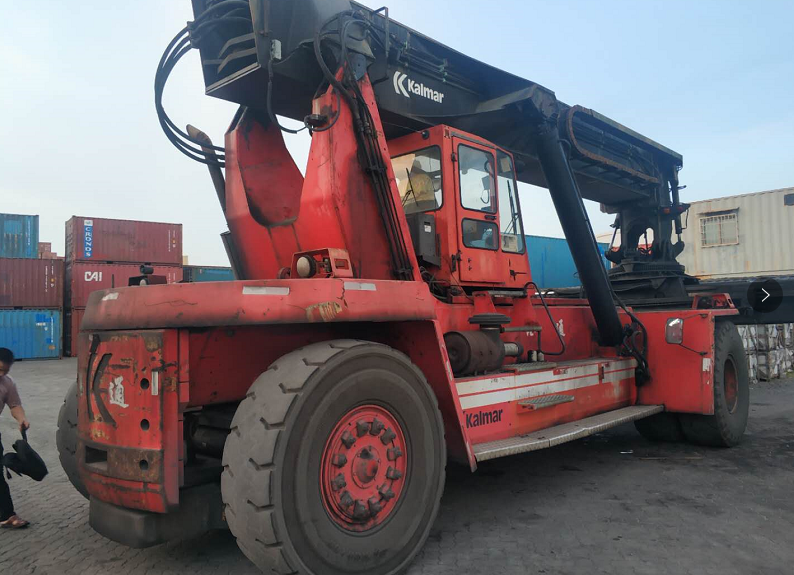
The terminal adopted Forlander JU910 14.00-24 28PR (IND-4) bias-ply port tire for its reach stacker fleet, featuring ultra-deep tread, reinforced sidewall, and port-special anti-cut compound.
After 12-month tracking: average tire service life increased to more than 14 months, around 40% lifespan improvement; tire-related unplanned downtime dropped below 2 times per month, reduced by 60%; comprehensive cost per operating hour decreased by 35%. The customer confirmed stable wet-weather traction during rainy seasons and planned gradual full-fleet replacement with Forlander port tire products.
VI. Conclusion
Choosing the right heavy equipment tire for port operations comes down to load capacity, tread pattern, tire construction, environment, and cost per working hour. Distributors should understand each customer’s real working conditions, guide proper maintenance, and offer tiered product options. Forlander‘s port equipment tires, including the JU910 and JU910C series, E-3 and L-3 bias tire, and F819 solid tire, are built for these demands. As the Singapore case shows, the right solution extends service life, cuts downtime, and lowers operating cost, making Forlander a reliable choice for overseas buyers and partners.