
I. Introduction
Car owners often face a common problem when replacing tyres: there are too many models, specifications, and brands to choose from, making it difficult to determine which one suits their vehicle. Tyres are not universal components. Different vehicle models, driving habits, and road conditions require different tyres. Choosing the wrong tyre affects driving experience and creates safety risks.
This article starts with checking the vehicle manual, then explains tyre specifications, aspect ratio, speed rating, load index, tread pattern types, and helps you buy new car tyres that fit your vehicle properly.
II. Start with Your Vehicle Manual and Original Equipment Specifications
A. Check the Owner’s Manual
Before selecting tyres, the first step is to check the vehicle owner’s manual. The manual lists the complete specifications of the original tyres and spare tyre, including size, speed rating, load index, and other information. Following these requirements is the foundation of driving safety.
B. Original Tyres as a Reference
Original tyres are tested by the vehicle manufacturer and match the vehicle’s maximum speed, maximum axle load, and suspension tuning. When replacing tyres, considering the original specification is a safe choice. For drivers with special needs such as improved handling or reduced noise, reasonable upgrades can be made after understanding the original parameters. Learning how to buy car tyres that meet your vehicle’s original standards is an essential first step for any car owner.

III. Understanding Tyre Specifications – Five Key Parameters
A. Reading Tyre Markings
The tyre sidewall contains letters and numbers, for example “225/55R17 97V”. This string of characters includes the core information of the tyre:
225: Tyre section width (mm)
55: Aspect ratio (%)
R: Radial construction
17: Rim diameter (inches)
97: Load index
V: Speed rating
When replacing tyres, the new tyre size must match the original vehicle specification. To change specifications (such as increasing wheel size or changing aspect ratio), consult a professional modification shop and confirm that vehicle safety performance and odometer accuracy are not affected. Every passenger car tyre must match the vehicle’s original size requirements to ensure proper fitment and safe operation.

B. Determining Aspect Ratio – Choosing Between Comfort and Handling
Aspect ratio is the percentage of tyre sidewall height to section width. The choice between high aspect ratio and low aspect ratio tyres depends on whether the driver prioritises comfort or handling.
High aspect ratio tyres: Longer sidewalls, better cushioning, higher comfort. Disadvantages include vague road feel, weaker resistance to lateral forces during cornering, and slower handling response.
Low aspect ratio tyres: Shorter sidewalls, wider tread, clear road feel, stronger lateral support during cornering, improved handling performance and cornering stability. Disadvantages include poorer vibration damping, more noticeable bumps on rough roads, and increased risk of wheel damage.

C. Determining Speed Rating – Not Lower Than Original Requirement
The letter on the tyre sidewall (such as V, W, Y) represents the maximum speed the tyre can withstand. When replacing tyres, the speed rating of the new tyre must be equal to or higher than the original tyre requirement. For example, if the original tyre is V-rated (maximum 240 km/h), the new tyre can be V-rated or higher (such as W-rated 270 km/h), but cannot use H-rated (210 km/h). Lowering the speed rating creates a blowout risk at high speeds.

D. Determining Load Capacity – A Safety Requirement
The number on the tyre sidewall (such as 91, 94, 97) represents the maximum load capacity of a single tyre. When replacing tyres, the load index of the new tyre must not be lower than the original tyre. Tyres with insufficient load capacity are prone to overload deformation when fully loaded or at high speeds, affecting driving safety. Selecting the best car tyres for your specific vehicle includes verifying that the load index meets or exceeds factory specifications, particularly for frequently loaded vehicles.

IV. Choosing the Right Tread Pattern – Different Patterns for Different Road Conditions
Tyre tread patterns affect grip, water evacuation, noise level, and wear resistance. Mainstream tyre tread patterns are divided into three types.
A. Symmetric Tread Pattern
A symmetric tread pattern has the same or similar pattern on the left and right sides of the centre groove of the tread.
Advantages: Low rolling resistance, fuel efficiency, good noise comfort. Most economy-oriented tyres use this design, suitable for daily commuting and family sedans.
Disadvantages: Smaller tread block design, average grip, weak sport performance.
Applicable vehicles: Family sedans, economy cars, city SUVs.
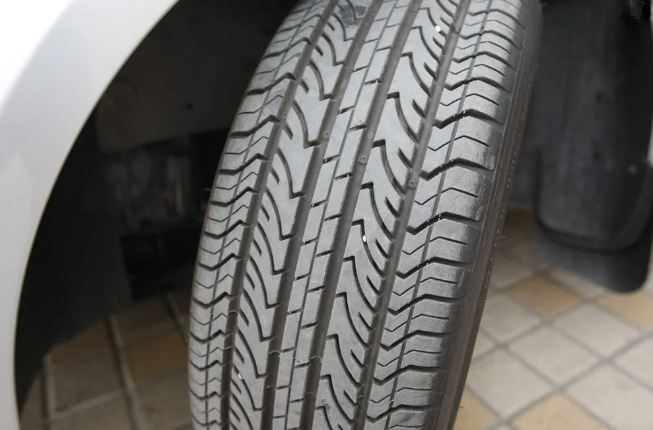
B. Asymmetric Tread Pattern
An asymmetric tread pattern has different patterns on the left and right sides of the tread. The outer side has larger tread blocks for dry handling; the inner side has finer patterns for water evacuation and wet performance.
Advantages: Large contact area with the road, strong grip, good sport performance and cornering stability.
Disadvantages: Larger tread blocks cause relatively noticeable tyre noise, lower noise comfort than symmetric patterns.
Applicable vehicles: Sport sedans, performance cars, sport SUVs.

C. Directional Tread Pattern
A directional tread pattern has a clear direction, with all patterns pointing toward the same rolling direction and fewer transverse grooves on the tread.
Advantages: Low rolling resistance, good high-speed stability, good water evacuation performance, direct handling response, strong sport performance.
Disadvantages: Higher noise levels, average comfort. Due to the directional nature, tyres cannot be rotated arbitrarily and are not suitable as spare tyres.
Applicable vehicles: High-performance sport sedans, track-day vehicles, modified cars pursuing handling.
Note: Directional tyres must be installed with the rolling direction matching the arrow indicator, otherwise wet grip and driving safety are affected. Drivers looking to buy new car tyres with directional patterns should confirm installation requirements with their tyre shop.

V. Forlander Tyre Product Recommendations
The following three Forlander tyres are recommended, covering different vehicle models and driving needs.
A. Forlander ECOLAND 02 (195/60R15)
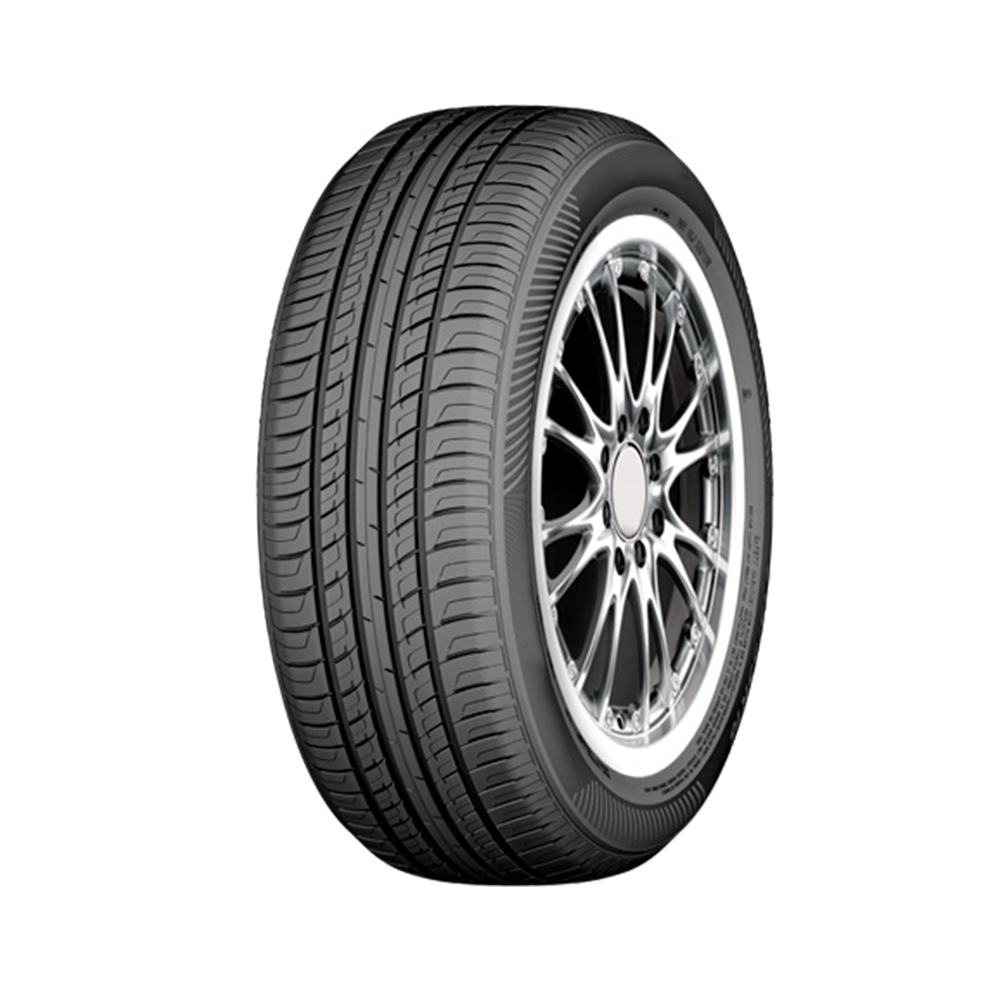
Tread Pattern Type: Symmetric pattern
Core Features: Low noise, smooth ride
Application Scenario: Daily commuting
Compatible Vehicle Reference: Compact family sedan
This tyre has a symmetric tread pattern for low rolling resistance and daily city commuting. The 195/60R15 size fits most compact cars. For owners of small cars looking to buy car tyres for comfort and fuel efficiency, this model is a practical choice.
B. Forlander ECOLAND H/T (265/60R18)
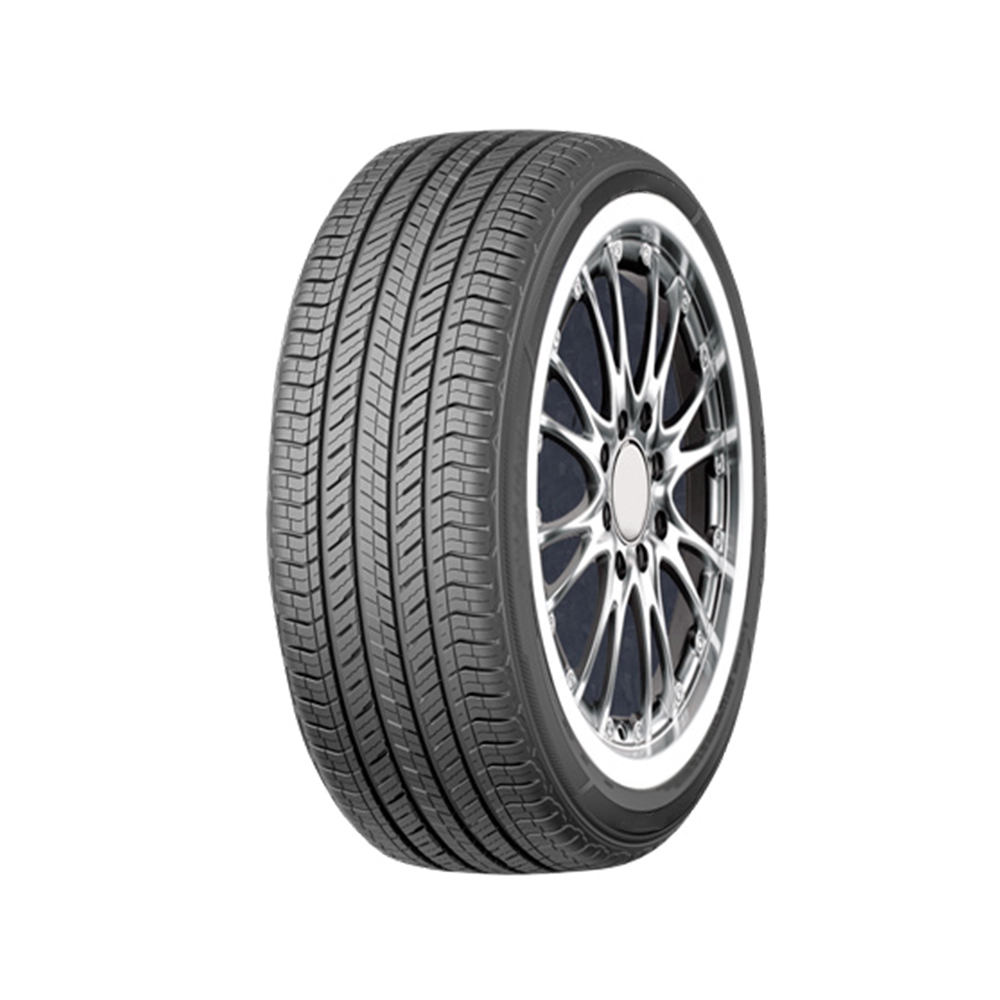
Tread Pattern Type: Directional pattern
Core Features: Excellent water evacuation
Application Scenario: Rainy day driving, improved safety
Compatible Vehicle Reference: Mid-size SUV, city off-road vehicle
This tyre uses a directional tread pattern for strong water evacuation and reduced hydroplaning on wet roads. The 265/60R18 size fits most mid-size SUVs. When you need to buy new car tyres for rainy climates, this directional model offers specific safety advantages.
C. Forlander ECOLAND A/T (245/70R17LT)
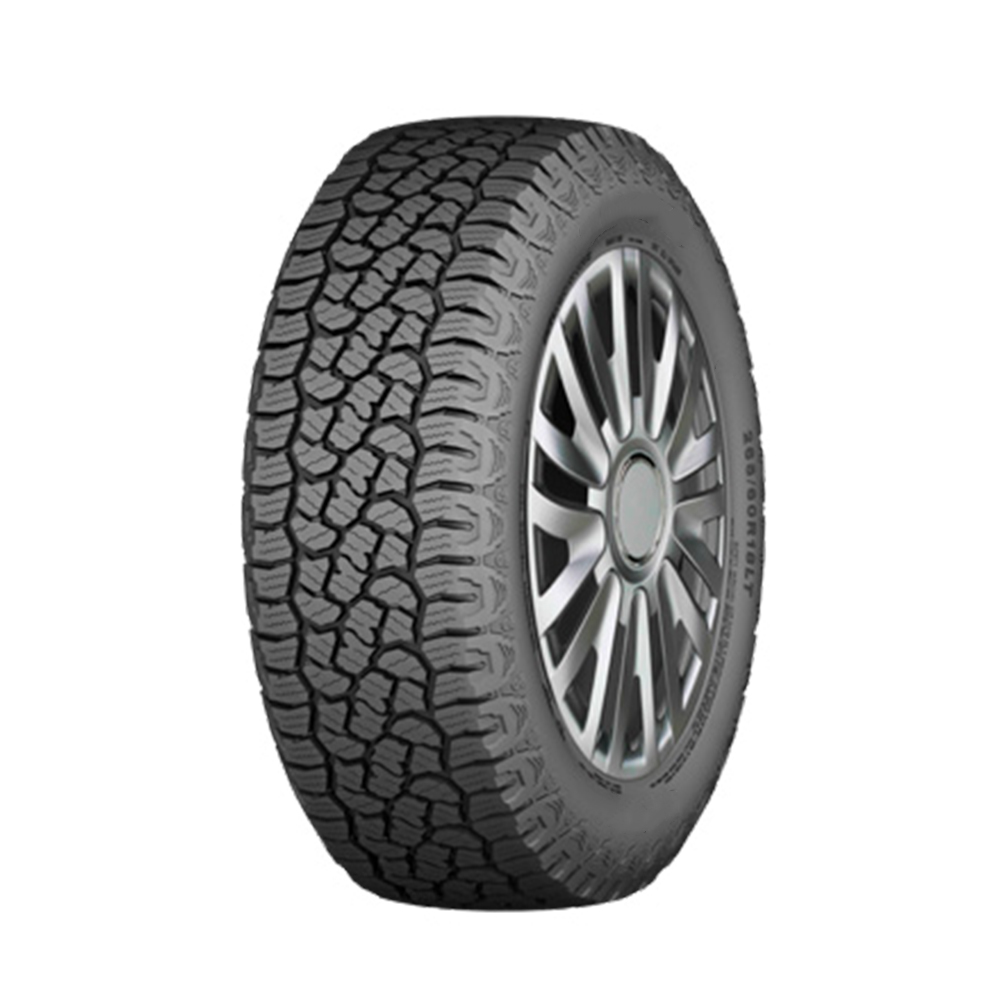
Tread Pattern Type: Asymmetric tread design
Core Features: Enhanced grip and cornering stability
Application Scenario: Highway and high-speed driving
Compatible Vehicle Reference: Pickup truck, large SUV, off-road vehicle
Note: LT indicates light truck tyre with stronger load capacity
This tyre features an asymmetric tread pattern for grip and lateral support during high-speed cornering. The LT marking indicates a reinforced structure for heavy loads. As one of the best car tyres for larger vehicles needing extra load capacity, this model delivers highway stability.
VI. Conclusion
Selecting the right tyres for your vehicle is not complicated. Focus on three things: matching original specifications, choosing the correct aspect ratio, and picking the appropriate tread pattern for your driving conditions.
Always check your vehicle manual before you buy new car tyres. Verify that size, speed rating, and load index meet factory requirements. For daily commuting, symmetric tread patterns offer low noise and fuel efficiency. For frequent rain driving, directional patterns provide better water evacuation. For highway driving, asymmetric patterns deliver grip and cornering stability.
Every passenger car tyre you install affects your vehicle’s braking, handling, and safety. Taking time to understand your needs and tyre specifications helps you buy car tyres that perform well and last longer.