
I. Introduction
Driving in winter often brings longer braking distances and cornering slips on cold or icy roads. Many drivers face one core question: should I choose winter tires or all-season tires?
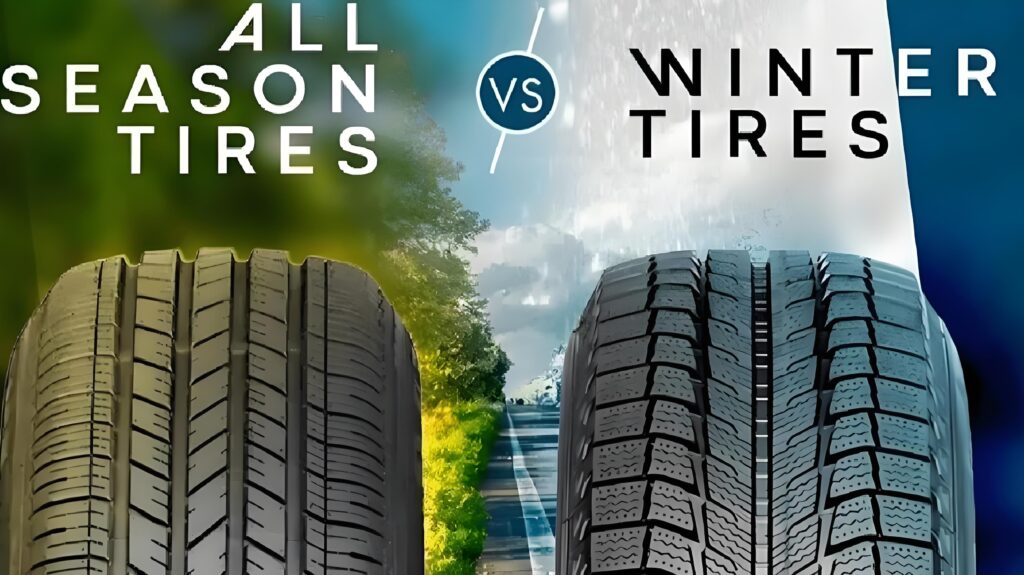
The core difference in the winter snow tires vs all season debate can be seen in one sentence: winter tires are built for extreme cold and snow, prioritizing performance; all season car tires are designed for year-round balance and convenience. This article explains definitions, principles, performance, and selection advice step by step, helping readers make decisions based on their local environment.
II. Core Definitions
1. What is a winter tire?
A winter tire (also called snow tire) is a tire specifically designed for low temperatures and snowy or icy roads. Its only goal is to ensure safety in winter conditions. A winter tire stays soft in cold weather, so the rubber does not harden, allowing strong grip on packed snow and ice conditions. The key temperature threshold is below 7°C. Once temperatures drop below this point, the performance advantage of a winter tire becomes clear. A real winter tire must carry the 3PMSF (Three-Peak Mountain Snowflake) symbol, which is the hard standard for snow testing.

2. What is an all season car tire?
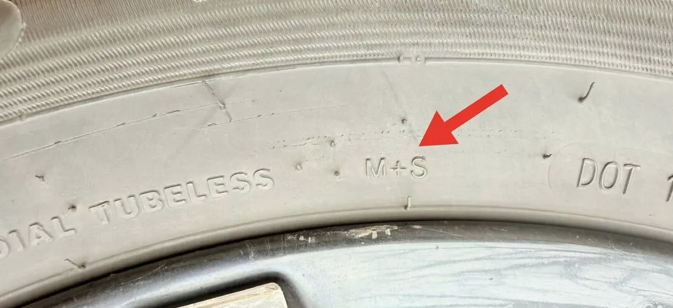
An all season car tire is a compromise tire. It does not seek the best performance in any extreme scenario. Instead, it focuses on year-round use and convenience. Season tires are designed more for dry roads, wet roads, and light slippery conditions than for real winter weather. Most all season car tires only carry the M+S (Mud and Snow) marking. Some high-end models also carry 3PMSF, but their rubber compounds and tread depth still cannot match those of a professional winter tire.
III. Core Differences: Winter Tire vs All Season Car Tire
| Comparison Dimension | Winter Tire | All Season Car Tire |
|---|---|---|
| Rubber Compounds | Softer (cold-resistant formula, still soft at -20°C) | Neutral formula (balances high and low temperatures) |
| Tread Patterns | Deep grooves + dense sipes (biting edges) | Moderate patterns, balances drainage and wear |
| Snow and Ice Grip | Excellent | Only light snow ability |
| Dry Road Performance | Average (soft rubber, more wear) | Better (moderate stiffness, smooth handling) |
| Wear Resistance | Lower (soft material wears faster in heat) | Higher (balanced formula, longer life) |
| Temperature Adaptability | Low temperature only (best below 7°C) | Year-round (not for extreme cold) |
IV. Key Principles Behind the Differences
1. Rubber Compounds: The Core of Low-Temperature Performance
A winter tire contains more silica in its formula. It does not harden in cold weather and can firmly grip snow and ice.
An all season car tire uses a balanced formula. It hardens below 7°C, and grip drops significantly – even if the road has no snow, winter driving braking distances become longer.
2. Tread Pattern Design: The Key to Different Scenarios
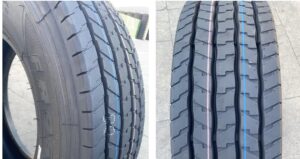
A winter tire has deeper tread depth (≥10/32 inch) and is covered with biting edges (sipes). These quickly expel snow, ice, and water, preventing spinning.
An all season car tire uses moderate tread patterns, focusing more on noise reduction and water drainage. It lacks biting force on packed snow.

V. Real-World Performance
Winter tire performance in winter driving: On snow and ice, braking distances are shorter, and cornering slip is reduced. On icy conditions, grip is clearly higher than that of an all season car tire.
The downsides of a winter tire include softer dry-road handling, lower wear resistance, and slightly higher noise than an all season car tire.
All season car tire performance: You do not need to change tires twice a year. Dry-road handling is stable, noise is low, and service life is longer. However, in winter weather, an all season tyre lacks grip on snow and ice. On packed snow or black ice, braking distances become longer, and corners are prone to slipping.

VI. Common Misconceptions
Misconception 1: No snow means no need for winter tires. The truth is that low temperature (<7°C) itself hardens the rubber of an all season car tire. When the rubber hardens, even on wet roads or dry cold asphalt, grip drops and braking distances increase.
Misconception 2: Only change two snow tires. This practice is dangerous. Winter tires must be used as a full set (all four). Otherwise, front and rear axle grip are inconsistent. The rear end easily swings during turns, and the vehicle loses balance during emergency braking.
VII. How to Choose Between Winter Snow Tires vs All Season Tires
1. Choose a winter tire if: Winter temperatures are consistently below 7°C, and you often encounter snow, ice, or frost. You put driving safety first and are willing to pay for extreme-environment performance. Even with a four-wheel-drive vehicle, an all season car tire is still not enough on winter roads.
2. Choose an 4 season tyres if: The climate is mild, winter lows rarely fall below 7°C, and you rarely encounter snow, ice, or frost. Roads are mostly wet roads or dry. You want convenience, do not want to change tires frequently, and value cost and comfort. On occasional ice conditions, slow down and leave longer braking distances.

3. Note on other tire types: For drivers seeking even more year-round capability, all weather tires offer a middle ground between winter and all-season designs. For commercial vehicles, all season truck tires are available. And for sporty drivers, high performance all season tires provide better dry grip while still offering moderate winter ability.
VIII. Forlander Hot-Selling Winter and All Season Tire Recommendations
After understanding the core differences in the winter snow tires vs all season debate, here are specific Forlander products for different vehicle types and use scenarios.
1. Truck Tires
1) SW516D Drive Wheel Winter Tire

Product positioning: All-position tire for regional and medium-long haul transport, suitable for national and provincial road conditions.
Advantages: Wave-shaped groove design improves grip and traction. Special winter tread compound enhances performance on snow and ice. Groove design improves snow and ice grip.
Specifications: 11R22.5, 11R24.5, 295/75R22.5
2) SW518D Drive Wheel Winter Tire

Product positioning: For regional and medium-long haul transport, designed specifically for snow and ice.
Advantages: 3D wave sipes shorten braking distance on snow and ice. 3D sipes provide tread block interlocking for good grip and traction. Special winter tread compound and deeper tread depth ensure higher mileage. Wide longitudinal and lateral grooves ensure excellent traction on snow and ice. Stone ejectors enhance puncture resistance.
Specifications: 11R22.5, 11R24.5, 295/75R22.5
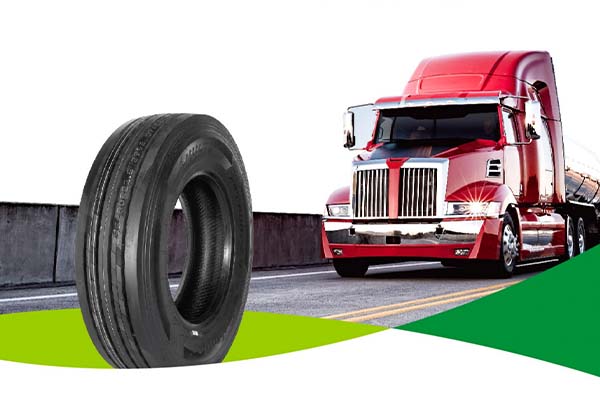
3) AST-1 All Season Truck Tire

Product positioning: Year-round drive tire for various road conditions, reducing change frequency.
Advantages: Tread pattern provides good braking performance and relatively long service life. Numerous sipes break ice and snow films on frozen roads, providing strong braking without slipping. 3D sipes lock tread blocks together, maintaining overall block strength and providing excellent traction. Special winter tread formula ensures no block loss, and deeper tread depth ensures higher mileage.
Specifications: 11R22.5, 11R24.5
2. Passenger Car Winter Tires
1) Bluesnow 06 Winter Tire
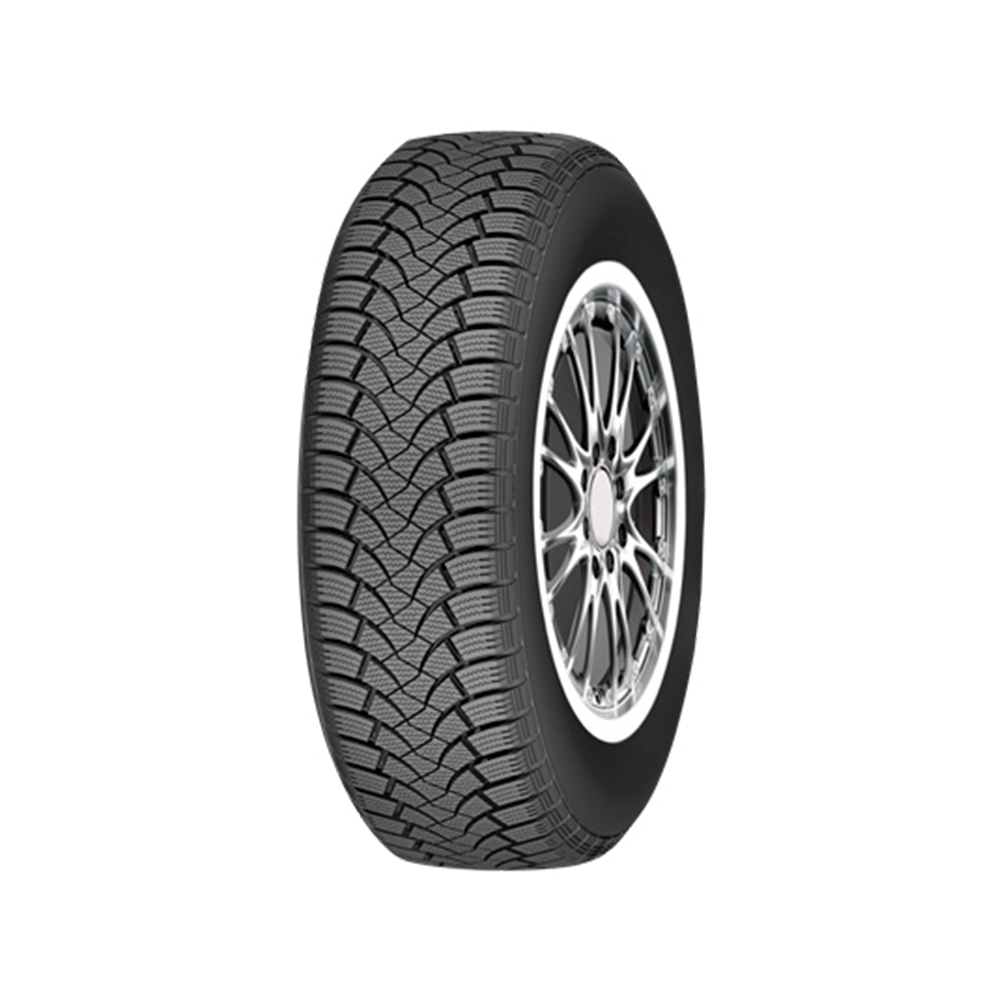
Product positioning: Passenger car tire for snow and wet roads.
Advantages: V-shaped tread design provides excellent drainage, effectively reducing skidding and noise. High white carbon black content significantly improves wet-road traction and braking. Innovative design reduces road noise for a quiet, comfortable ride. Additional performance labels: Comfort, High Mileage, Fuel Saving, Handling, Silence.
Specifications (partial): 175/70R13, 185/70R14, 205/55R16, 215/60R16, 225/60R16, 205/55R17, 225/55R17, 235/65R17, 225/55R18, 235/60R18, 245/50R18, 225/55R19, 235/55R19, 245/45R19, 235/55R20, 255/50R20, 285/50R20
2) Bluesnow 04 Winter Tire
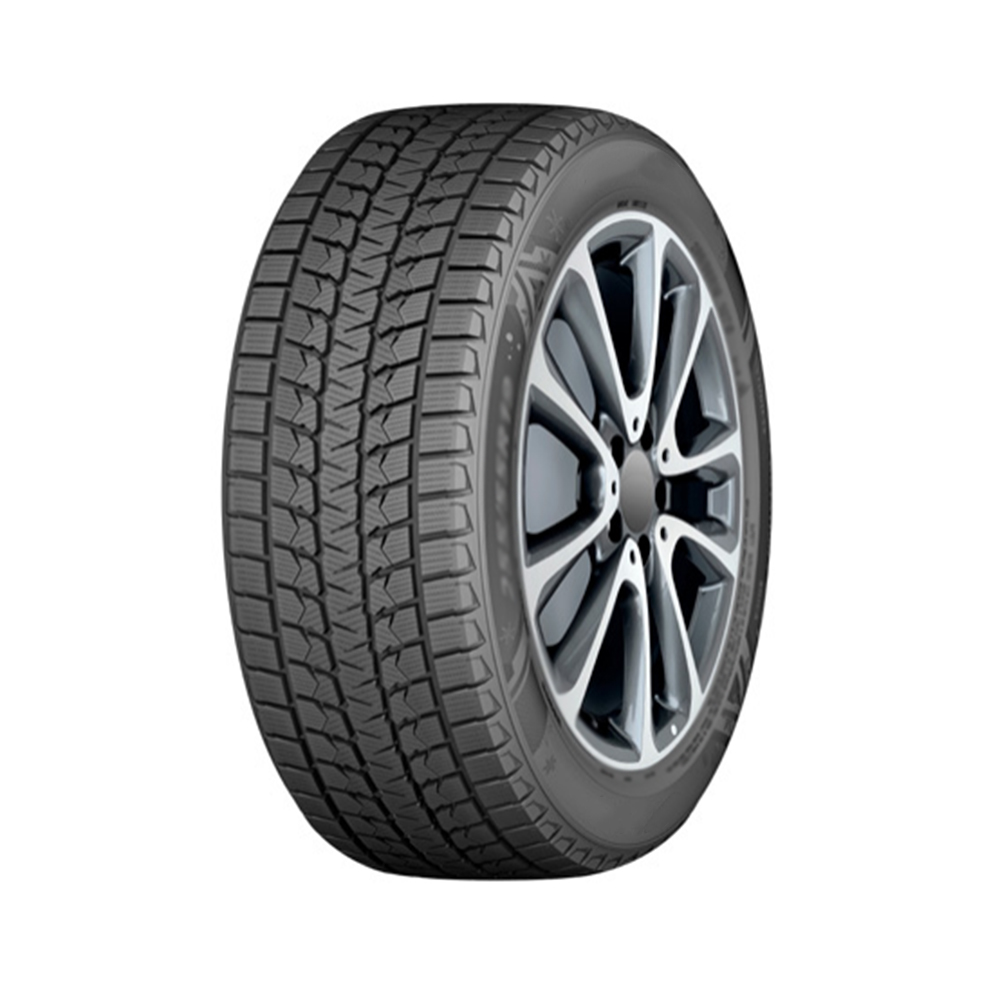
Product positioning: Passenger car winter tire for snow and wet roads.
Advantages: V-shaped tread design provides excellent drainage, effectively reducing skidding and noise. High white carbon black content significantly improves wet-road traction and braking. Innovative design reduces road noise for a quiet, comfortable ride. Additional performance labels: Comfort, High Mileage, Fuel Saving, Handling, Silence.
Specifications (partial): 155/65R13, 155/70R13, 175/70R13, 165/70R14, 175/70R14, 185/60R14, 185/70R14, 195/60R14, 175/65R15, 185/60R15, 185/65R15, 195/55R15, 195/65R15, 205/60R15, 195/55R16, 205/55R16, 215/60R16, 215/65R16, 205/50R17, 215/55R17, 225/45R17, 225/55R17, 235/65R17, 225/40R18, 235/65R18, 235/55R19, 275/40R20
3. Forlander Tire Material
Forlander tires use natural rubber raw materials imported from Thailand, with a natural rubber content as high as 40%. Combined with European advanced production equipment and processes, Forlander ensures product quality while offering competitive prices.
IX. Conclusion
The choice between winter snow tires and all-season tires lies in the performance trade-offs under different scenarios. Winter tires heavily prioritize grip on snow, ice, and in low temperatures, sacrificing some wear resistance and dry performance. All-season tires, on the other hand, strike a balance between grip, wear resistance, and rolling resistance, aiming for year-round suitability. Neither is absolutely superior; each is suitable for its specific driving conditions.
If you frequently encounter harsh winter road conditions, a complete set of winter tires is undoubtedly a safer choice. If you live in a temperate climate, a high-quality set of all-season tires will meet your daily needs. Understanding these differences allows readers to make their choice based on local temperatures and road conditions.
Frequently Asked Questions
1. Can I use all season tire in winter?
Yes, but only in mild climates. When temperatures stay below 7°C or on snow and ice, all season car tires lack grip. Winter tires are recommended.
2. Can I change only two snow tires?
No. You must use a full set of four. Otherwise, front and rear axle grip are inconsistent, and the vehicle can easily lose control when turning or braking.
3. Do winter tires wear faster on dry roads?
Yes. Winter tires use softer rubber compounds, so they wear faster on dry, warm roads. Switch back to all season car tires when temperatures stay above 7°C.
4. What is the difference between M+S and 3PMSF?
M+S means Mud and Snow, but it has no snow certification. 3PMSF (Three-Peak Mountain Snowflake) is a formal certification for snow braking performance. A real winter tire must carry 3PMSF.
5. Are winter tires fuel efficient?
Usually not. Softer rubber and deeper tread increase rolling resistance, which may slightly raise fuel consumption. But the safety benefits far outweigh this small cost.
6. When should I install and remove winter tires?
Install winter tires when temperatures consistently drop below 7°C. Remove them when temperatures stay above 7°C. Typically install in late fall and remove in spring.
7. Can all season tyres be used in snow?
Only for light snow. On packed snow or black ice, all season tires lack grip, and braking distances become much longer.
8. What is the warranty policy for Forlander tires?
Forlander offers a standard manufacturing defect warranty. Specific terms vary by region. Please contact your local authorized dealer for details.